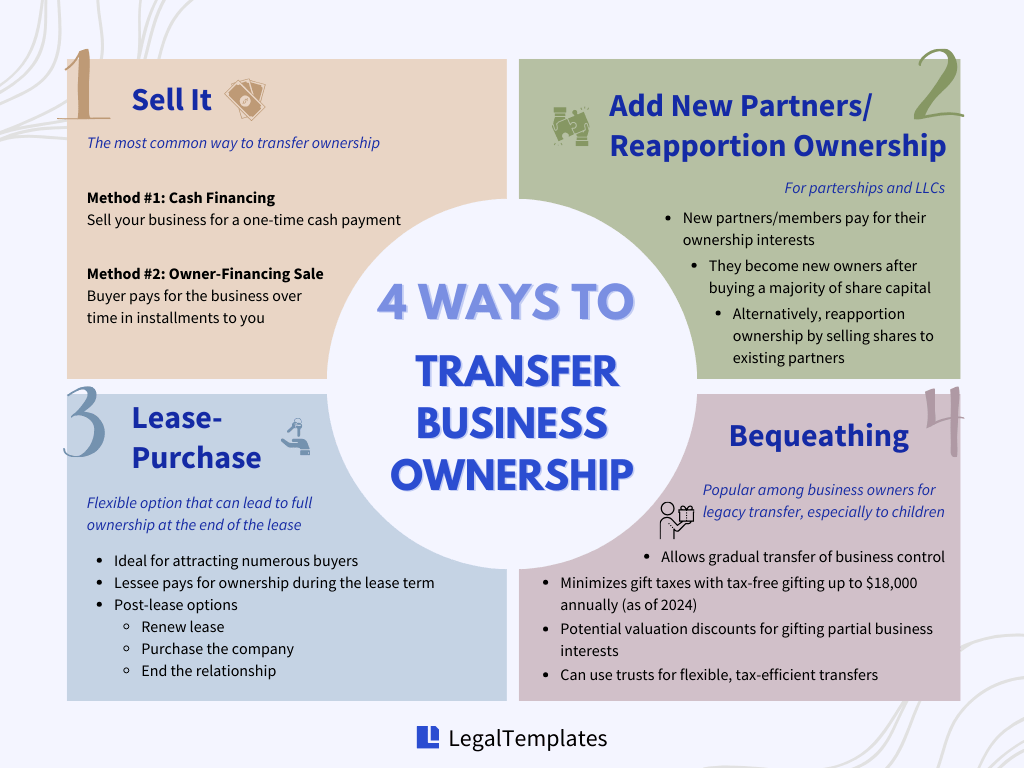
Breaking Up is Hard to Do: How to Properly Remove a Business Owner
In the early days of a startup, business partners are often fueled by shared vision and excitement. However, as a company matures, goals can diverge, performance may lag, or personal conflicts can arise. When a partnership is no longer working, you may find yourself facing a difficult question: How do we remove an owner from the company?
Removing an owner isn’t as simple as changing a password or telling them not to show up. It is a sensitive legal process that, if handled incorrectly, can lead to costly litigation and even the dissolution of your business.
Here is the step-by-step roadmap to navigating an ownership change legally and professionally.
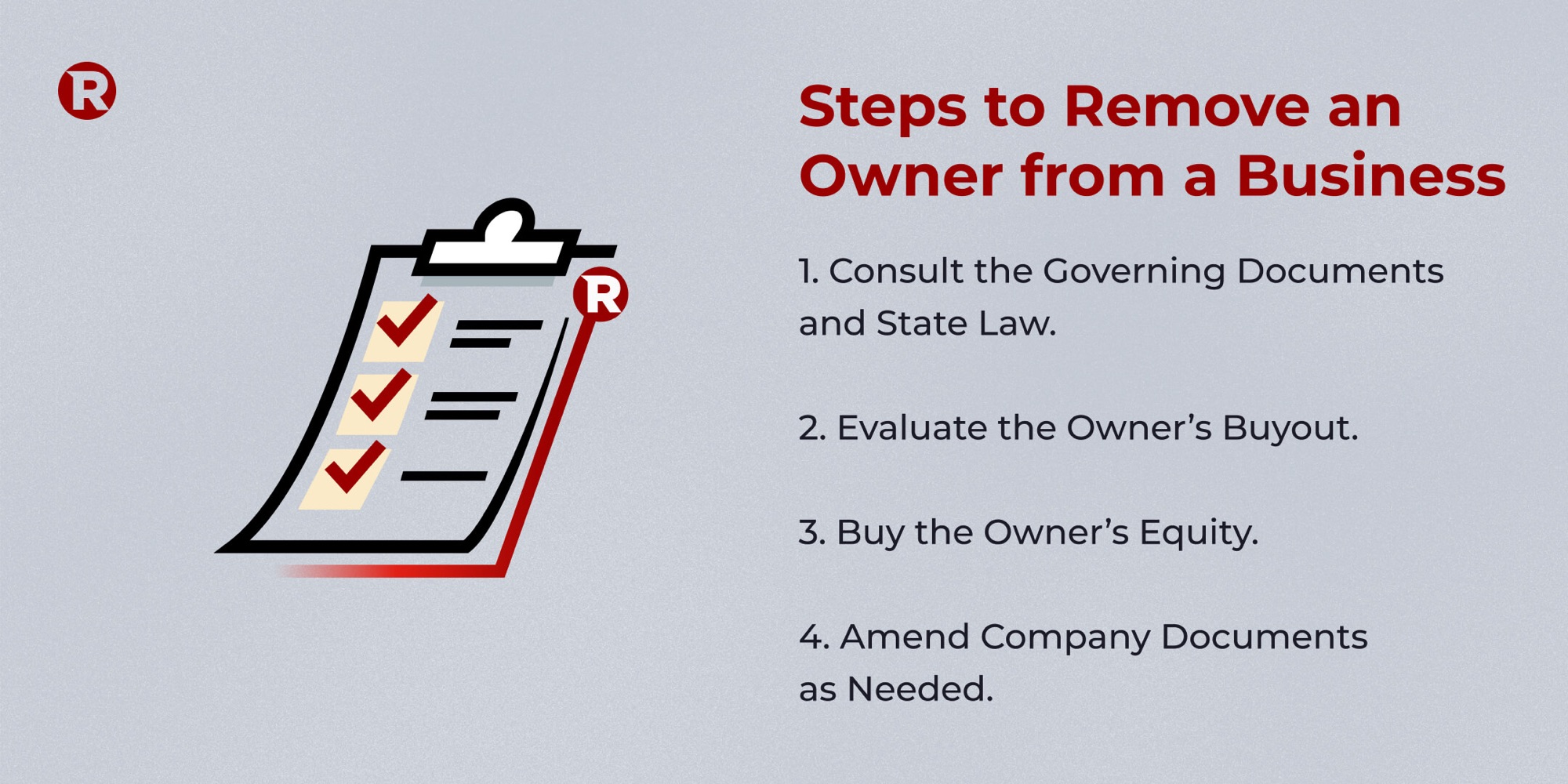
1. Consult the Governing Documents
Your first move should always be to review your company’s internal “rulebook.” For an LLC, this is the Operating Agreement; for a Corporation, it is the Bylaws or a Shareholder Agreement.
These documents should outline the specific procedures for removal, including:
- What constitutes “cause” for removal.
- The required voting threshold (e.g., simple majority vs. two-thirds).
- Buyout terms and valuation methods.
If you don’t have these documents, the process defaults to your state’s statutes, which are often much more rigid and may require a court order to force a removal.
2. Open a Dialogue (If Possible)
Before jumping to formal legal action, it is often beneficial to hold a meeting. This allows all parties to express their concerns and explore an amicable exit. Sometimes, a “voluntary dissociation”—where the owner agrees to be bought out—is the fastest and least expensive path for everyone involved.
3. Take a Formal Vote
If an amicable agreement isn’t reached and you must proceed with an involuntary removal, you must follow the voting procedures outlined in your governing documents to the letter. Ensure you have a quorum and that the vote is officially recorded in the meeting minutes. Failure to follow the technicalities of the vote can give the removed owner grounds for a “wrongful dissociation” lawsuit.
4. Provide Formal Written Notice
Once the vote is finalized, the owner must be notified in writing. This notice should clearly state the reasons for removal (if required by your agreement) and the effective date. To ensure there is no dispute over receipt, this notice should be delivered via registered mail or hand-delivered with a signed acknowledgment.
5. Settle the Financials: The Buyout
Removing an owner doesn’t usually mean they lose the value of their investment. Unless your agreement states otherwise, the departing owner is typically entitled to the “fair market value” of their ownership interest.
This stage often requires:
- A professional business valuation.
- A formal Separation Agreement that releases the company from future liability.
- Removing the owner as a personal guarantor on business loans or leases.
6. Update Legal Filings
Finally, you must clean up the paperwork. This includes amending your Articles of Organization or Incorporation with the Secretary of State, updating your IRS “Responsible Party” information, and removing the individual from business bank accounts and credit cards.
Bottom Line
Removing a business owner is a high-stakes maneuver. While the steps above provide a framework, every situation is unique. To protect your company’s future and minimize the risk of a lawsuit, it is essential to consult with a qualified business attorney.
~~~~~~
READ MORE 👁️👉🏾 https://www.l4sb.com/blog/how-to-remove-owners-from-an-existing-company/ https://www.l4sb.com/
Discover more from The Veteran-Owned Business Blog
Subscribe to get the latest posts sent to your email.

You must be logged in to post a comment.