The Most Interesting Man is set to make a return to television.
In a marketing push that kicks off with a new 60-second spot airing on ESPN during the College Football Championship Game, Heineken’s Dos Equis has rehired Jonathan Goldsmith to play the Most Interesting Man, closing the ad with a familiar, iconic line. “I don’t always drink beer, but when I do, I still prefer Dos Equis.”
That copy, the return of Goldsmith, and even the original campaign’s Western-themed instrumental music were all elements of what felt like “some magic that we need to bring back,” says Alison Payne, chief marketing officer of Heineken USA in an interview with Fast Company. Payne, who assumed the role of CMO at the beginning of 2025, says her creative team did some soul-searching with Le Pub, the Publicis Groupe-owned creative agency that Dos Equis hired in May 2025 to help Dos Equis resonate with today’s drinkers.
Why age became an asset
They landed on reviving a campaign that broke through the cultural zeitgeist enough to be spoofed on Saturday Night Live. The return of Goldsmith, now 87 years old, may seem counterintuitive as beer brands like Dos Equis aim to lure younger drinkers, with Gen Z now being the most prized demographic. Dos Equis did consider more youthful talent, but Payne says “we actually learned that consumers wanted someone who had some age and wisdom. You can’t have an interesting archive of life lived if you’re really young.”
The campaign comes as Dos Equis’ parent company Heineken has faced some sales pressures. In October, the Dutch brewer announced that annual profits for 2025 would be lower than anticipated due to weak demand in Europe and the Americas. Amid the woes, Heineken announced in January that CEO Dolf van den Brink would step down in May, after six years leading the company.
A campaign that once tripled the brand
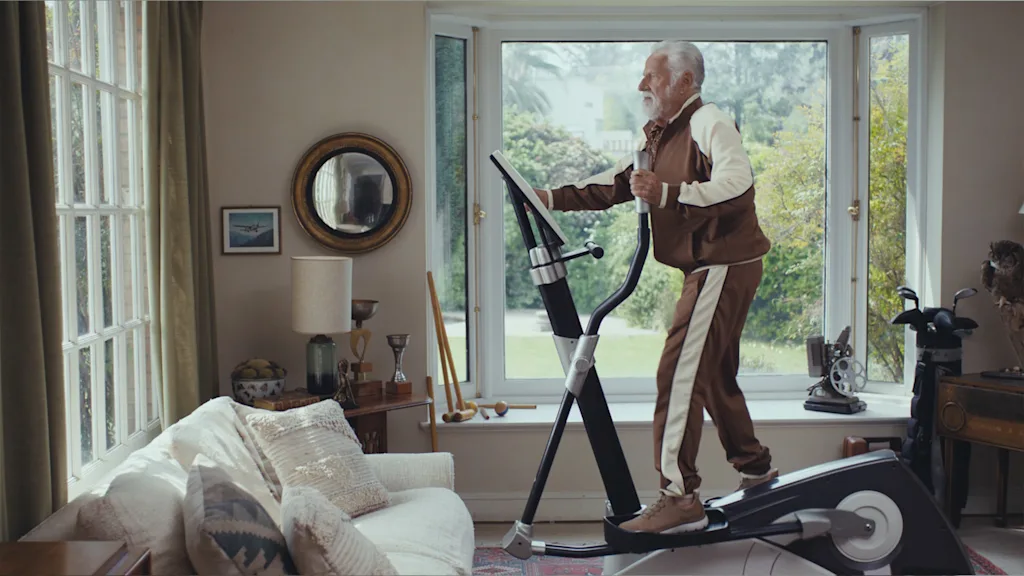
The Most Interesting Man campaign recalls more heady times. Debuting in 2006, it helped triple the size of the Dos Equis brand for the creative campaign over a decade, according to Heineken, citing internal U.S. sales volume data. After a decade, the creative concept was scrapped shortly after Heineken hired a decades-younger actor, Augustin Legrand, to play the Most Interesting Man in 2016. A more abstract concept that said basically anyone could be interesting also had a short shelf life. Goldsmith moved on to laud Astral Tequila.
Millennials, who were the target demographic for brewers like Dos Equis back in 2016, rebuffed the younger pitchman. Heineken then parted ways with the creative agency Havas in favor of Droga5, with media reports attributing the switch to the Most Interesting Man’s failed pivot. Purchase consideration for Dos Equis dropped by more than half, according to a YouGov poll published in 2017.
But Dos Equis says Goldsmith is returning as the Most Interesting Man because there’s still some thirst for the brand’s most well-known creative concept. More than eight out of every ten consumers who were exposed to the original Most Interesting Man campaign wanted to see it back, according to a survey conducted by Dos Equis.
“Age is actually almost irrelevant in this campaign,” says Payne of Goldsmith. “He’s totally timeless.”
A broader beer marketing trend
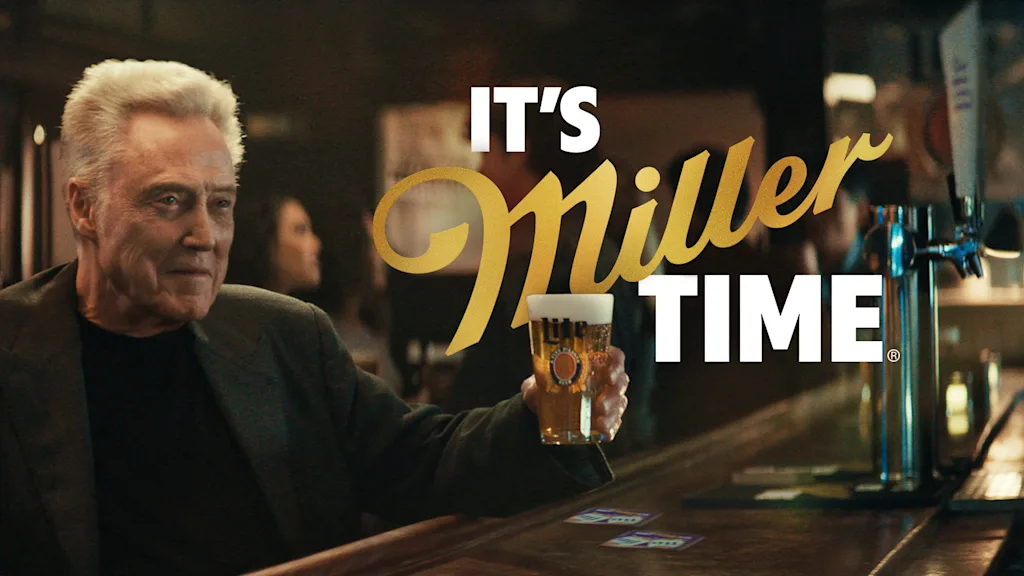
The new Most Interesting Man campaign aligns with an emerging trend among brewers that have built marketing campaigns around more seasoned spokespeople. Over the past couple of years, actor Christopher Walken appeared in a new Miller Lite spot, actors Willem Dafoe and Catherine O’Hara have pitched Michelob Ultra, Bud Light called in former NFL star Peyton Manning, actor Pedro Pascal starred in bilingual ads for Corona, and UFC legend Chuck Liddell fronted a martial arts-inspired campaign for Garage Beer.
Manning, at the age of 49, is the most spry of the bunch.
“Christopher Walken is really one of those rare cultural figures who truly transcends generations,” Sofia Colucci, the chief marketing officer for Miller Lite’s parent company Molson Coors, tells Fast Company about the company’s “Legendary Moments Start with Lite” creative campaign that launched this January.
Beer has faced sluggish sales as millennial and Gen Z drinkers have increasingly prioritized a healthier lifestyle and more moderation. They’ve been spending more on non-alcoholic beverages and other alternatives, like cannabis. Americans spent $925 million on non-alcoholic beer, wine, and spirits at retail stores in 2025, a 22% increase from the prior year, according to market researcher NIQ.
Selling connection, not consumption
Miller Lite’s latest ad is a sequel between the light beer brand and the “Dune: Part Two” actor, who did voiceover work last year in a campaign tied to Miller Lite’s 50th anniversary. He went in front of the camera for a series of TV spots built around the premise that drinkers should cancel fewer plans and spend more time connecting in person. Promoting socialization has been a key throughline in alcohol marketing, a theme that Heineken itself tapped into with its “Social Off Socials” marketing blitz that aired last year, starring singer Joe Jonas.
Colucci said that the brewer conducted extensive research—including panels that focused exclusively on the Gen Z cohort—and determined that the Miller Lite brand would benefit from Walken’s strong name recognition and positive sentiment across more established Miller Lite drinkers and younger adults the brand would like to attract.
Nostalgia, with a wink
Garage Beer, a scrappier upstart founded in 2018, has aimed to lure millennial drinkers who have turned away from craft beers but don’t want legacy brands like Coors Light or Miller Lite. CEO Andy Sauer, who acquired the Ohio-founded brewer in 2023 and added NFL stars and brothers Jason and Travis Kelce as majority owners in 2024, says the brand’s marketing isn’t meant to be too serious.
“People aren’t getting together to have beers because they’re bummed out,” says Sauer in an interview with Fast Company.
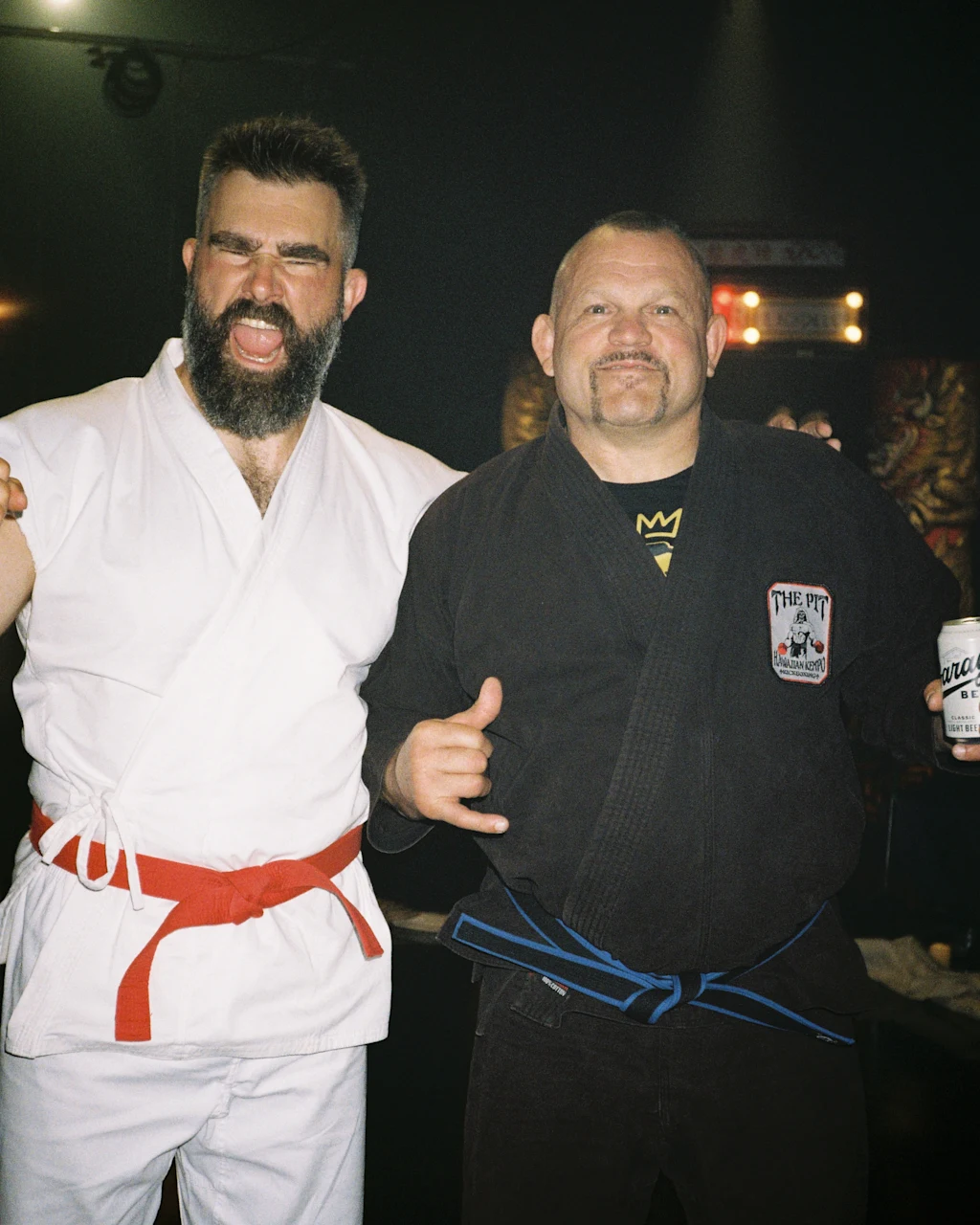
Garage Beer’s martial arts-inspired “Brewmite” campaign, which included a 17-minute spot starring the Kelce brothers and 56-year-old Liddell, generated 9.3 million views across social media in the first week after its debut last year. With the exception of a single fight in 2018, Liddell has been retired from mixed martial arts since 2010, but Sauer says 30-something consumers still think fondly of the champion fighter.
“He was a great fit for the nostalgia of what we were trying to do with that spot,” says Sauer.
Discover more from The Veteran-Owned Business Blog
Subscribe to get the latest posts sent to your email.

You must be logged in to post a comment.