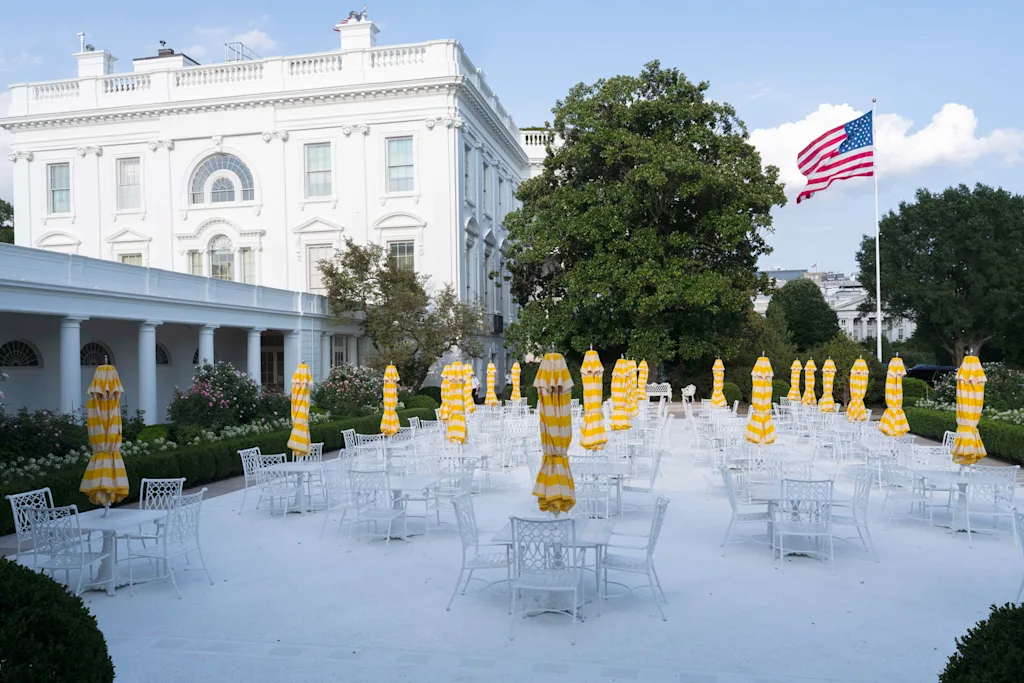
All the changes to the White House over the past year read like a reality TV drama. Clashes with architects. A lawsuit over the East Wing demolition. Paving over the beloved Rose Garden and turning it into an exclusive club. President Trump’s promise (or was it a threat?) to make federal buildings beautiful again primarily played out at 1600 Pennsylvania Avenue.
Now it has become the prime exemplar of “Magatecture,” whose aesthetic expression revolves around three key traits: Make it big, make it gold, and make it monetizable.
It is tradition for presidents to redecorate the White House—the Oval Office and first family’s private quarters typically get a refresh with each incoming administration—but for the most part, they serve as stewards of a public building.
The White House of modern memory is largely the result of Jackie Kennedy’s belief that it should be a living museum furnished with the finest American art, furniture, and decorative objects. In fact, the executive mansion hasn’t seen such dramatic structural change since Harry Truman had it rebuilt in the 1940s when it was on the verge of collapse.
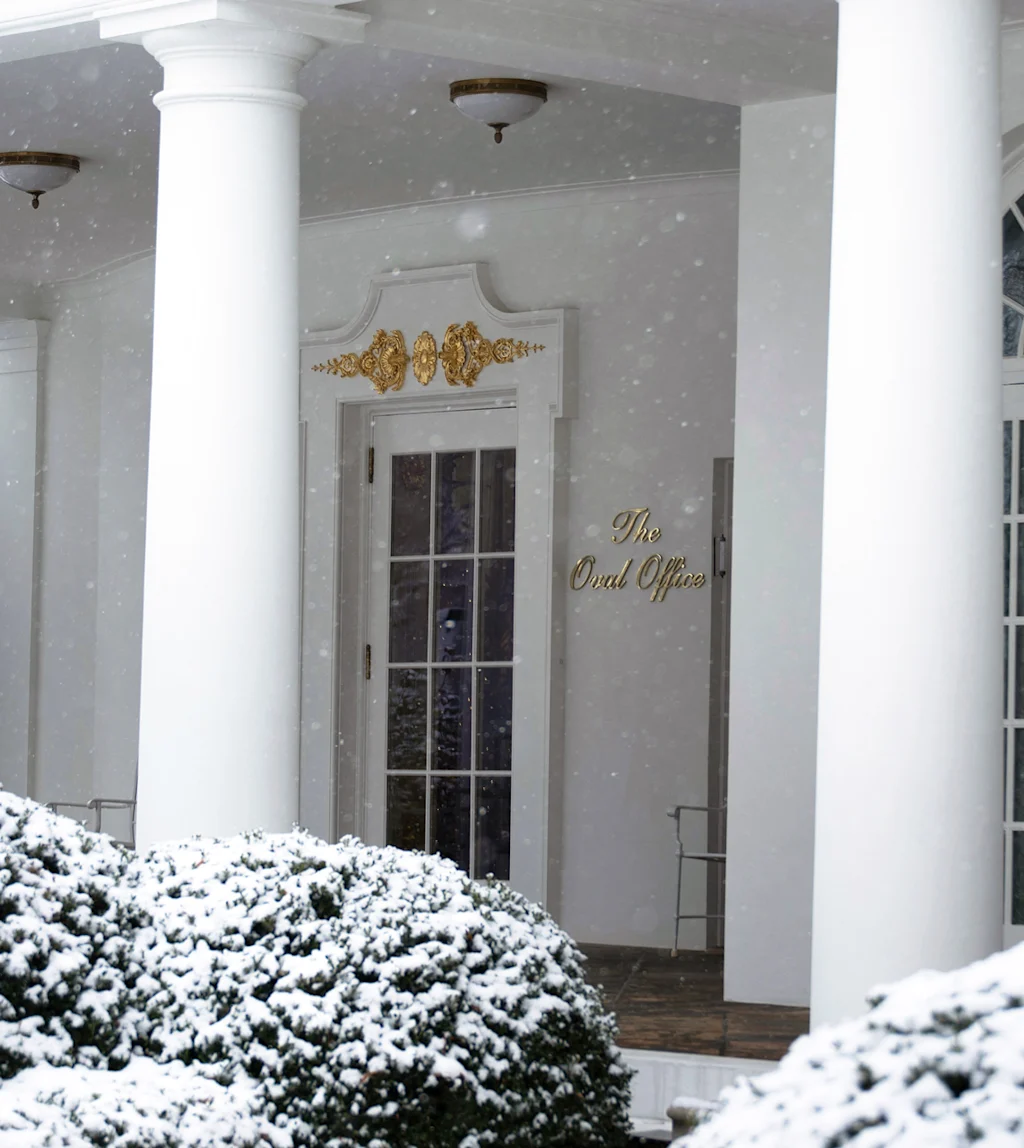
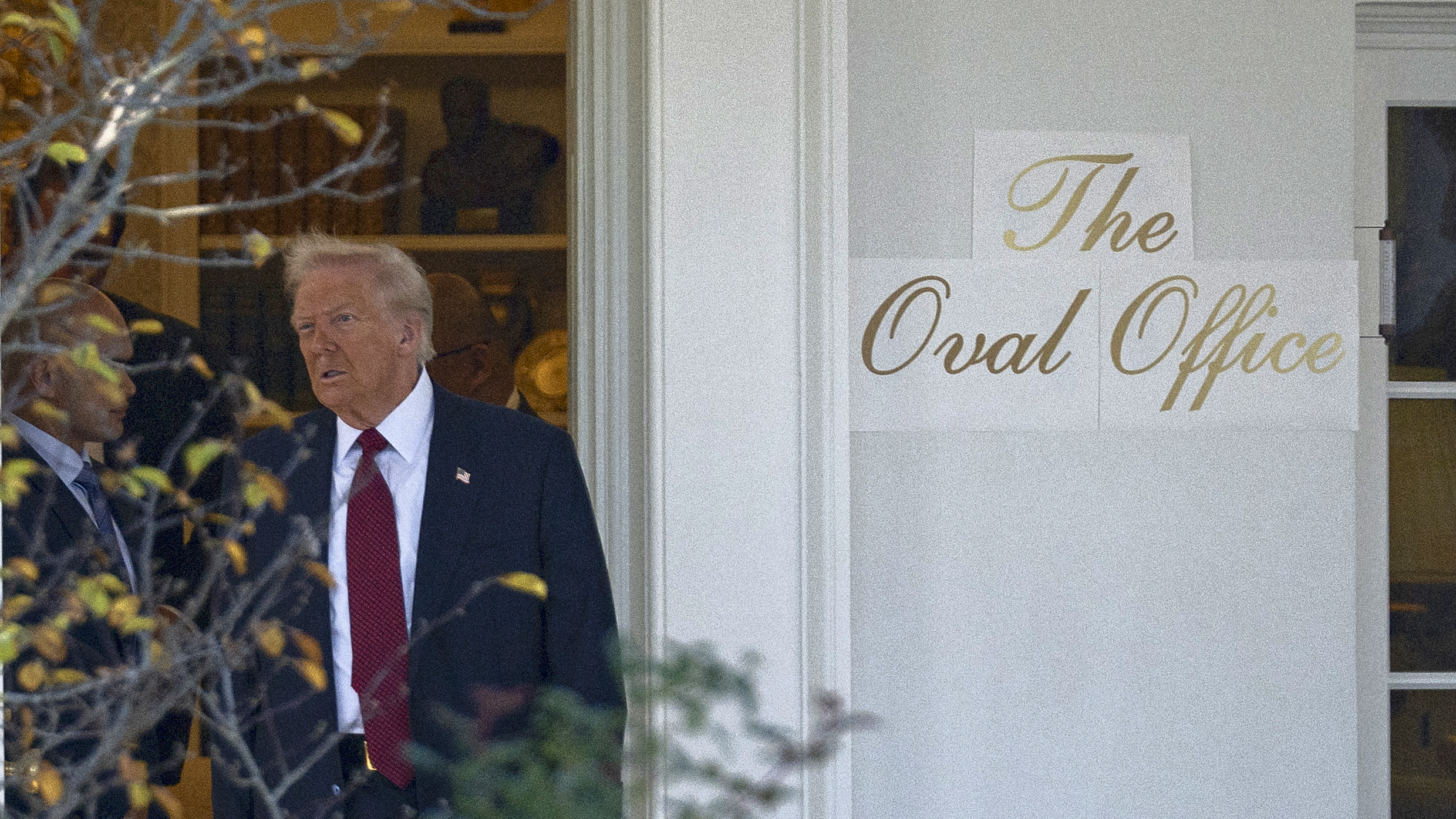
What separates the renovations happening today from the ones of the past is just how slapdash they are. Trump seems keen on making his mark with little regard for design integrity—taping up a paper sign with “Oval Office” printed in gold Shelly Script, affixing gaudy gilded appliqués on just about any empty surface, and releasing error-laden digital renderings of the new ballroom with stairs leading to nowhere and misaligned windows.
Ranking near the top of the downgrades is the refurbished Lincoln Bathroom, once a subtly art deco interior with seafoam green tile (courtesy of the Truman renovation) now sheathed in white statuary marble and accented with gold fixtures, like a three-star hotel powder room.
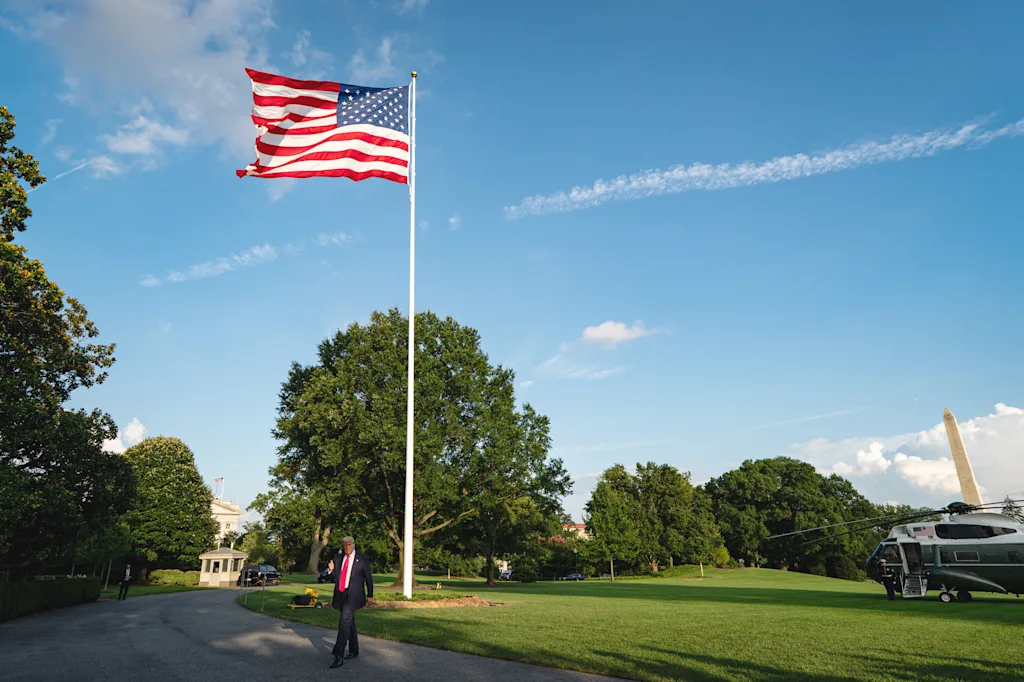
Trump speaks the language of opulence, with little grasp of the vocabulary that makes rooms designed to this sensibility actually sing. Instead, Magatecture is most comfortable with superlatives, expressing itself through scale and the appearance of expense. To wit: Trump proudly installed two “nearly 100-foot-tall” flagpoles (the actual height is closer to 80 feet).
The changes don’t support the language within the Make Federal Architecture Beautiful Again executive order he issued in August, which proclaimed that all federal buildings ought to “inspire the human spirit, ennoble the United States, and command respect from the general public.”
When those excessive gold embellishments are ridiculed as cheap Home Depot products (though Trump says he brought in his “gold guy” to fabricate them) it’s hard to argue that they represent distinguished design. Money talks, wealth whispers, and this spit shouts “Temu Versailles.”
For a president who knew how to channel grandeur, look to Chester A. Arthur. In 1882, he hired Louis Comfort Tiffany to renovate the White House. One of his most indulgently furnished spaces was the Red Room, a parlor and sitting room occasionally used for small dinner parties. Tiffany painted the walls a rich Pompeiian red, blanketed the ceiling with copper and silver stars, installed a cherry-wood mantle adorned with glass tile, and commissioned a pink frieze.
The furniture was equally lavish and included mirrors encrusted with gemstones, screens from East Asia, tall urns, and chairs upholstered in fringed damask. It was so lavish that Theodore Roosevelt had most of the decor stripped out during his administration’s renovations, which the architecture firm McKim, Mead & White oversaw.
Even more modest chapters in White House history reflect rigor. Michael S. Smith, President Barack Obama’s “decorator in chief,” balanced the home’s formal nature with more comfortable, approachable, and modern details, including an Oval Office done up in demure earth tones. While initially dismissed as an “audacity of taupe,” it was still thoughtfully composed and respected the architecture.
White House historian William Seale told The New York Times that the calmed-down space felt welcoming, while interior designer Sheila Bridges noted that its understated look was appropriate considering the economic recession at the time.
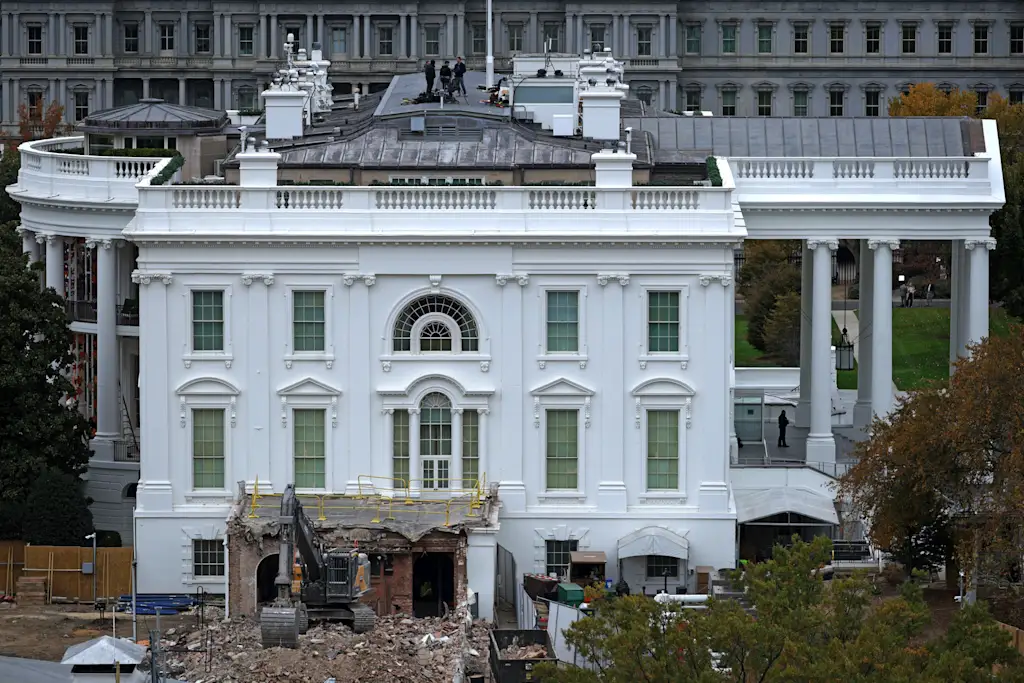
There isn’t any sensitivity at play now. Amid a government shutdown, Trump ordered the demolition of the East Wing—a highly unusual command from the president, but a routine developer tactic—which is now the subject of a lawsuit from preservationists who argue it violated numerous laws.
What will take its place, if all goes according to Trump’s wishes, is a ballroom of monstrous proportions; at an estimated 90,000 square feet, it would be roughly the same size as the West Wing and main house combined. To fund the Palladian-style building done up with Corinthian columns, Venetian windows, and crystal chandeliers, Trump has solicited an army of corporate donors to bankroll the $400 million bill.
But the buck certainly does not stop here. Ever the businessman out for personal benefit—some estimates say Trump and his family have earned $3.4 billion from the presidency—he converted a small room near the Oval Office into a MAGA merch display in which he proudly slings baseball caps to foreign leaders.

You must be logged in to post a comment.