It’s time to reckon with the reality that nonstop doomscrolling has delivered us: a hard-to-ignore erosion of our cognitive skills. We’ve lost the ability to focus on words for long stretches of time . . . er, read books.
Years of turning everything worth consuming into “content” that’s been “optimized” for attention has turned our brains into mush, shoved our mental health into free fall, and reduced our ability to pay attention to anything for more than five seconds at a time. (In fact, I clicked away from completing this sentence to check Facebook Marketplace for credenzas on sale.)
While we’re still in the early days of what the long-term impact of artificial intelligence on our brains might look like, a growing contingent of folks are fighting back against the hijacking of our attention spans in favor of good old-fashioned reading.
These are teenagers forgoing social media for social reality, working moms carving out time in their busy schedules to devour books, and people on #BookTok swapping tips to get into reading.
In the spirit of celebrating the dying art of reading actual, honest-to-god chapter books—and not just furiously scrolling through endless Instagram slideshows and calling it a day—and before AI-written novels completely take over (this reality might already be upon us), I consulted a number of my colleagues at Fast Company to compile a list of the best books they’ve read this year in the hopes of inspiring you, too.
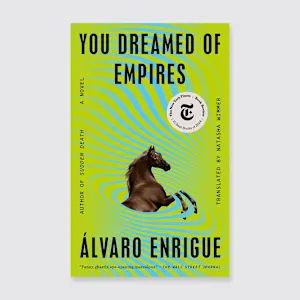
You Dreamed of Empires by Álvaro Enrigue
From Amy Farley, Executive Editor
You Dreamed of Empires is a weird, wild, hypnotic retelling about the fateful meeting between emperor Moctezuma and Hernán Cortés in Tenochtitlan. The action takes place across a single day in 1519, but what a day: packed with family drama, palace intrigue, world history-altering misunderstandings, and lots and lots of psychedelics.
But the highlight, for me, were Enrigue’s descriptions of the city of Tenochtitlan itself: its layout and architecture, the smells and food, the everyday routines of its many residents. Halfway through reading the novel, I started planning a trip to Mexico City.
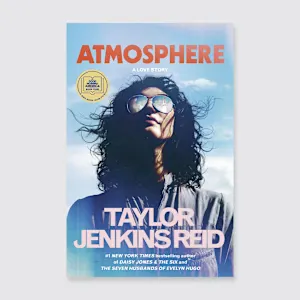
Atmosphere by Taylor Jenkins Reid
From Isa Luzarraga, Social Media Producer
Nearly everyone knows the name Sally Ride. In 1983, she became the first American woman in space, setting a crucial precedent for female astronaut candidates at NASA.
Still, the National Geographic documentary Sally, released earlier this year, verified what many had only surmised during the astronaut’s life, that Ride was queer.
There are clear parallels between Ride’s story and the protagonist of Taylor Jenkins Reid’s most recent novel.
Atmosphere follows astronomer Joan Goodwin as she becomes a member of the second NASA astronaut class to accept female candidates. The narrative alternates between two timelines: Joan’s years of training at NASA and her role as the on-ground liaison between the astronauts and command center for a mission gone wrong. Throughout her training, Joan forms a secret relationship with fellow astronaut Vanessa.
Like the rest of Taylor Jenkins Reid’s body of work, this historical fiction novel is rigorously researched and highlights the author’s signature, evocative prose. It is an ode, not only to Ride and the first female astronauts, but also to the queer community as a whole.
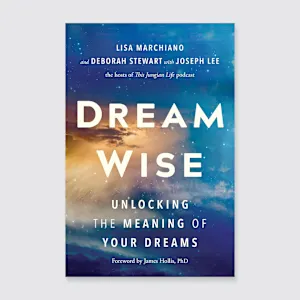
Dream Wise: Unlocking the Meaning of Your Dreams
From Bryan Lufkin, Senior Editor
I started reading this after getting super into the This Jungian Life podcast. The three brilliant, warm and funny psychoanalysts who host it wrote this book about how to analyze dreams. (They analyze a listener’s dream at the end of every episode.) Every one of us is an iceberg, and this book gives amazing insight into the huge stuff going on with you underneath the surface!
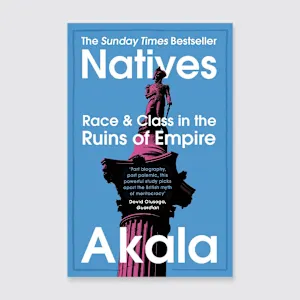
Natives: Race & Class in the Ruins of Empire
From Vanessa Singh, Executive Producer
This is such an insightful look into Britain’s world empire takeover, but specifically about the Caribbean-British experience and growing up in London as a Black person during the ’80s and ’90s. Written by Akala (a British rapper and activist), the book is history that is easy to digest and semi-autobiographical.
I love it because it is not written by an upper-class historian who has no emotional investment in the topics discussed. It is written by a highly intelligent, working-class, mixed-race man from London. The book looks at how racism and class shape life in modern Britain, and he shows how the legacy of empire still influences policing, education, and opportunities today. Very no-nonsense.
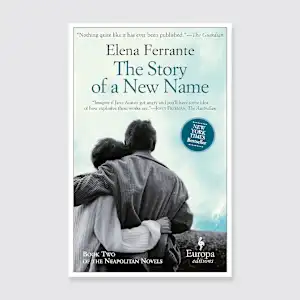
The Story of a New Name by Elena Ferrante
From Rebecca Barker, Event Producer
I can’t believe it took me until 2025 to read Elena Ferrante’s esteemed Neapolitan Novels, but, as they say, better late than never.
The Story of a New Name is the second book of the series and follows the events of the New York Times’ best book of the 21st century, My Brilliant Friend, chronicling the teenage and early adulthood years of friends Lenu and Lila, who have grown up together in poverty in 1960s Naples.
I consider the first book’s role as building a rich foundation for the characters and setting that drive the plot of the second—in my humble opinion, The Story of a New Name is where things get good.
As the girls navigate Lila’s new marriage (which brings her wealth and stability but lacks love and respect), a growing schism between their social classes and the opportunities available to them, political turmoil, and a shared romantic interest, they are forced to reckon with the strength of their friendship and what it can survive.
Ferrante paints one of the most intricate and beautiful portrayals of female friendship in literature—I can’t recommend it enough.
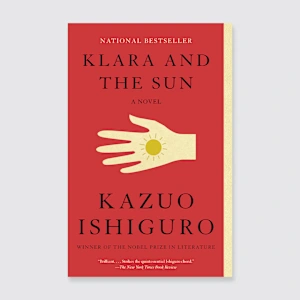
Klara and the Sun by Kazuo Ishiguro
From Maia McCann, Executive Digital Director
The story is told by Klara, an artificial friend/AI robot for a very ill child. Klara and her human, Josie, live in a dystopian future where some children are genetically lifted or enhanced and others are left behind. The reader follows an AI as it tries to understand complex human emotions like grief and love.
Potentially a little disturbing, but you wind up really rooting for the robot.
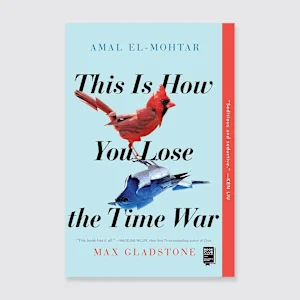
This Is How You Lose The Time War by Amal El-Mohtar and Max Gladstone
From Anne Latini, Art Director
I was absolutely rapt reading this beautiful science-fiction fantasy while on vacation this summer. Written as a series of letters that rove forward and backward through time, the book reminds you that the tension between technology and nature has been with humanity since the beginning and will continue long after we’re gone.
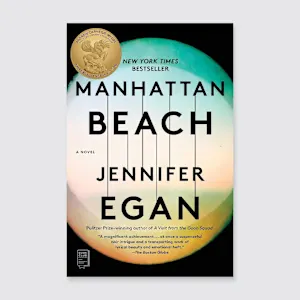
Manhattan Beach by Jennifer Egan
From Jill Bernstein, Editorial Director
I finally read Jennifer Egan’s Manhattan Beach and couldn’t put it down. I loved the characters and was totally absorbed by the action and historical detail. It’s about bravery, love, and the mysterious pull of the sea.
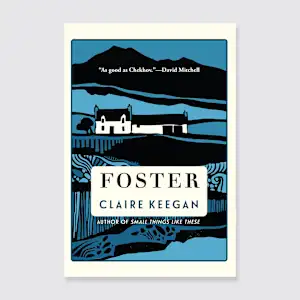
From Jay Woodruff, Senior Editor
Knowing my wife and I were heading to Dublin for our daughter’s wedding in October, a friend told me, “Read everything you can get your hands on by Claire Keegan.” If this exquisite Irish novella doesn’t help restore your faith in humanity, it will definitely restore your faith in first-rate, quiet, vivid storytelling.
“Many’s the man lost much just because he missed a perfect opportunity to say nothing,” one kindly character tells the narrator.
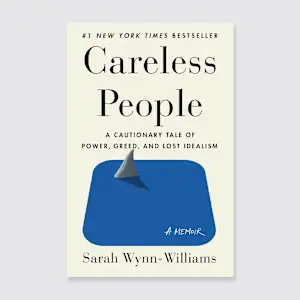
Careless People: A Cautionary Tale of Power, Greed, and Lost Idealism by Sarah Wynn-Williams
From Sandra Riano, Photo Editor
This was an eye-opening memoir about Facebook’s leap from Silicon Valley tech enterprise into global politics. Both illuminating and terrifying, it poses the question, How far will Meta go under the guise of free speech? Carless People is a cautionary tale about Big Tech’s quest for more and what we all stand to lose.
Discover more from The Veteran-Owned Business Blog
Subscribe to get the latest posts sent to your email.

You must be logged in to post a comment.