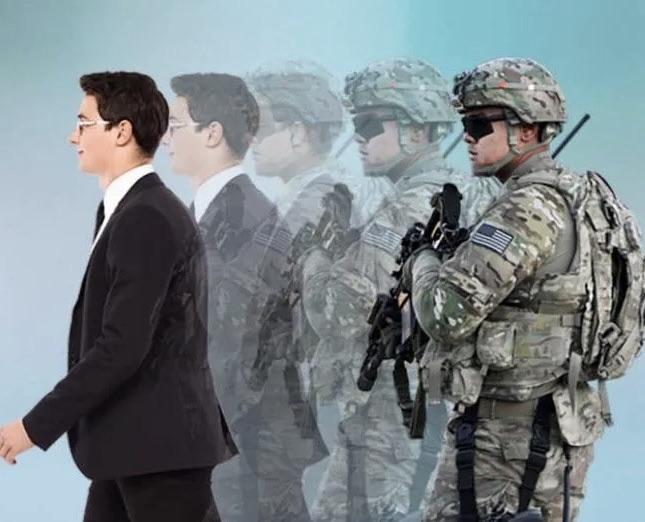
Veterans are naturally suited to entrepreneurship. Increasingly, efforts (like VetBiz Resources) help make veteran-owned businesses possible.
From the Battlefield to the Boardroom: Why Veterans Are Your Secret Competitive Advantage
In the modern corporate landscape, we often hear about “agility,” “resilience,” and “strategic pivots.” But for many, these are just buzzwords used in quarterly reviews. For veterans, these concepts are the bedrock of their survival and success. The transition from military service to the corporate world—the journey from the battlefield to the boardroom—is one of the most powerful pipelines for elite leadership in business today.
Why do former service members often outperform their civilian counterparts in high-stakes environments? It isn’t just about discipline; it’s about a unique framework of leadership that is forged in the crucible of extreme pressure.
1. Mission-First Mentality
In the military, the mission always comes before the individual. When this mindset is brought into a company, it creates a culture of extreme accountability. A veteran leader doesn’t just focus on their personal KPIs; they focus on how their team’s output contributes to the overall “Commander’s Intent.” This alignment ensures that even when communication breaks down or the market shifts, every team member understands the ultimate objective and works toward it without needing constant micromanagement.
2. Decision-Making Under Uncertainty
The “fog of war” is a real phenomenon where information is incomplete, and the situation is rapidly changing. Business is no different. While many executives freeze when faced with market volatility or a PR crisis, veterans are trained to make “80% decisions”—taking decisive action with the available intelligence rather than waiting for 100% certainty and missing the window of opportunity. In the boardroom, this translates to a bias for action that can leave competitors in the dust.
3. Decentralized Command
A common misconception is that military leadership is purely “top-down.” In reality, elite units rely on decentralized command. Leaders provide the what and the why, but they trust their subordinates with the how. This empowers junior employees to take ownership of their roles, fostering innovation and rapid problem-solving at the front lines of the business.
4. Resiliency and “Embracing the Suck”
Project launches fail. Clients leave. Economic downturns happen. Veterans possess a unique brand of mental toughness often referred to as “embracing the suck.” They understand that failure is not a permanent state but a data point for the next mission. This resilience keeps teams calm during high-stress periods and ensures that the organization pivots rather than panics.
5. The Power of the After-Action Review (AAR)
Perhaps the most valuable tool a veteran brings to a boardroom is the AAR. In the military, every mission is followed by a brutally honest debrief: What was supposed to happen? What actually happened? Why? How do we fix it? By removing ego from the equation and focusing on objective improvement, veteran-led teams create a cycle of continuous growth that is rarely seen in traditional corporate structures.
Hiring a veteran or adopting military leadership principles isn’t just a “thank you for your service” gesture—it is a savvy business move. The traits of strategic planning, adaptability, and unwavering integrity are exactly what today’s organizations need to navigate an increasingly complex global market. When you bridge the gap between the battlefield and the boardroom, you don’t just get a manager; you get a leader who knows how to win.
Leadership Lessons from the Battlefield to the Boardroom
This video provides tactical insights from an executive coach on how to bridge the gap between military structure and corporate strategy to build elite team cultures.
👁️ READ MORE > https://www.inc.com/inc-masters/the-journey-from-the-battlefi.html?utm_campaign=freeform&utm_source=twitter&utm_medium=social
Discover more from The Veteran-Owned Business Blog
Subscribe to get the latest posts sent to your email.

You must be logged in to post a comment.