Two data breaches, multiple class action lawsuits, and a removal from the Apple App Store later, the popular and controversial dating safety app Tea for Women is back and launching a new website version of its services today.
Billed as a “Yelp for men,” Tea was created in 2023 but was relatively unknown until July 2025, when it quickly became a viral sensation and shot to the top of App Store downloads—at one point outranking ChatGPT on the Apple App Store.
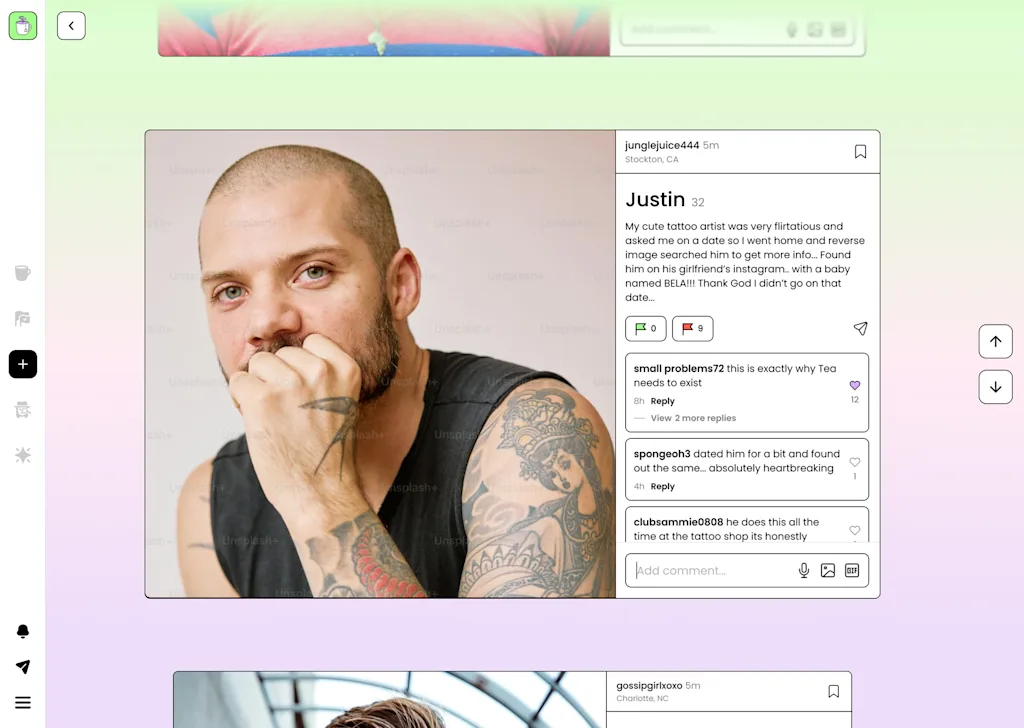
Similar to “Are We Dating the Same Guy?” Facebook groups, Tea offered women what they thought was a secure forum to obtain information and advice on men they had matched with on dating apps.
Women using the platform wanted to ensure that romantic prospects were safe to meet in person and to root out abusers, predators, and cheaters, which Tea allowed them to do through built-in background checks, a sex offender map, and reverse image searches.
Users could also vote on whether a man’s behavior was desirable or shady by selecting red or green flag icons under someone’s post, offering the creator a sort of pulse check that they might otherwise have had to wait for until their next girls’ night out.
But after landing on the public’s radar, the app quickly faced backlash and sparked debates about gender divides in dating and men’s right to privacy in a digital-first era.
Back-to-back data breaches ensued: Hackers gained access to 72,000 images, including users’ government IDs and selfies, and over 1 million messages, then posted them to 4chan, an anonymous forum primarily used by men and historically a home to incel culture and hate speech.
Legal fallout and App Store ban
At least 10 potential class action lawsuits followed, alleging that Tea had been negligent in its data practices.
At the time of the hack, Tea’s privacy policy asserted that users’ selfies were deleted once their profiles had been verified. Images leaked in the breach, however, dated back to 2023, contradicting the app’s own privacy policy. (As of August 11, 2025, Tea’s privacy policy has been updated to state that it retains user data for “as long as [a user’s] account is active as needed to provide [a user] the Services, or where we have an ongoing legitimate business need.”)
In October, the app was removed from Apple’s App Store for failing to meet standards around privacy, content moderation, and user experience.
On the Google Play Store, where Tea is still available for download, a notable number of negative reviews complain of glitchiness, trouble staying logged in, and a lack of free features.
Some reviewers also reported that they were denied the ability to use the app after submitting a selfie to prove their gender identity—Tea is a women-only platform—alleging that they were rejected for not appearing feminine enough.
New Tea aims to right past wrongs
The launch of Tea 2.0, the new website version of the app, aims to remedy these safety issues and expand access to the platform, according to Jessica Dees, the platform’s head of trust and safety.
“Launching our web experience is a strategic move toward platform resilience, allowing us to establish a scalable hub that isn’t dependent on a single distribution channel,” Dees wrote in an email to Fast Company.
She added that Tea has brought on experts in the trust and safety field to address community safety specifically.
“This transition provides us with technical flexibility as we implement more robust moderation workflows,” Dees wrote. “This isn’t a choice between a new site and better moderation. It’s about building a long-lasting experience that gives women access to safety, wherever they are.”
How will the new Tea be different?
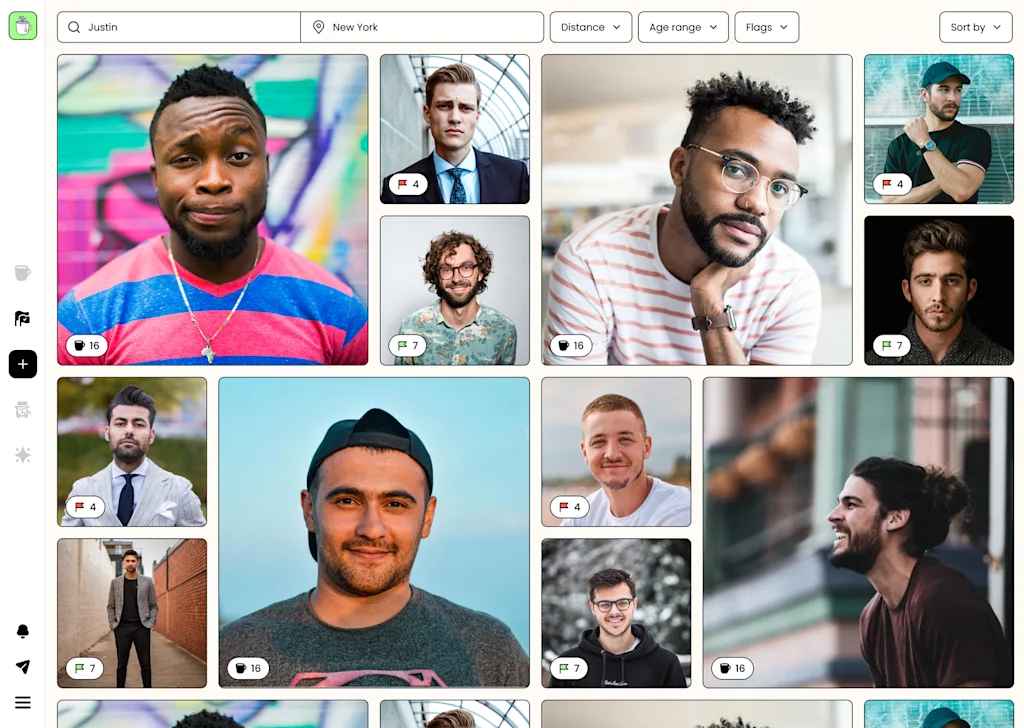
The website will offer users the ability to crowdsource information on a potential date like it did before.
The extra safety features, which cost $14.99 a month, will continue to be available on the mobile version of Tea (still only available to Android users) and will be incorporated into the website in the future, Dees says.
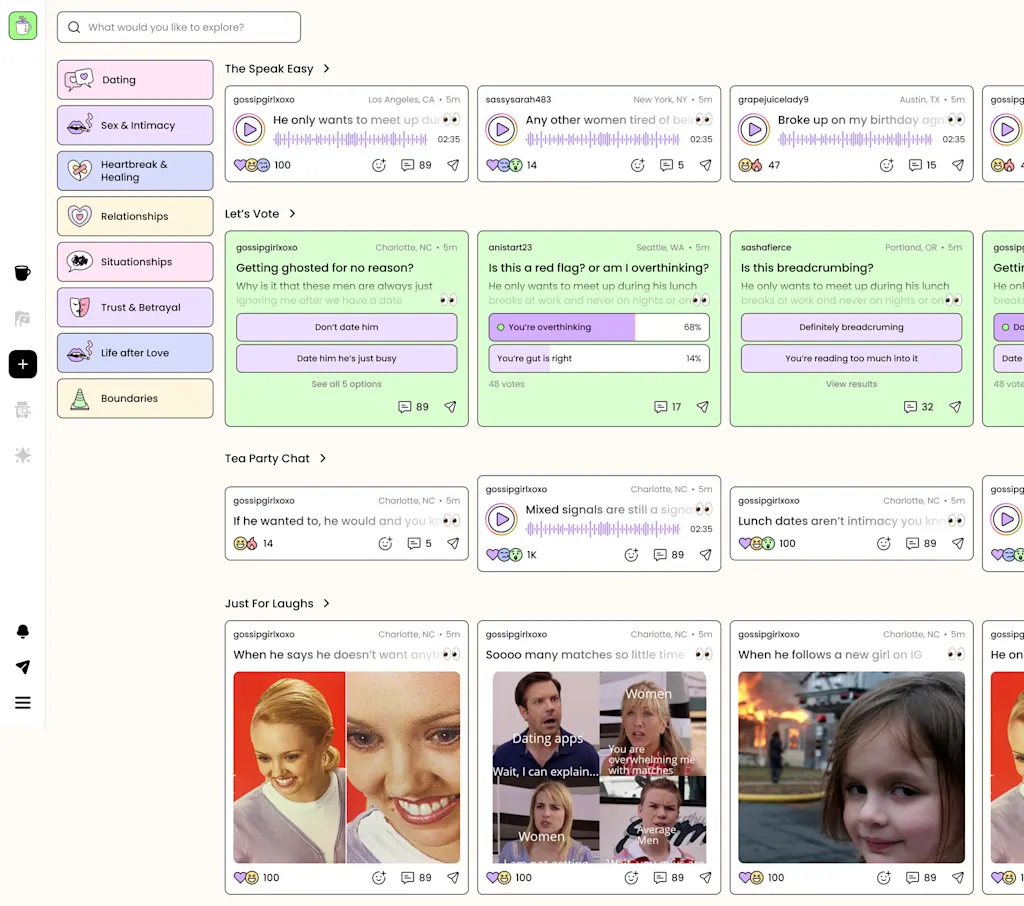
Additionally, Android users can access new features including a virtual “speakeasy” where users can vote on polls, engage with topic-specific forums, and post anonymous audio messages, as well as an AI-powered dating coach that can analyze and suggest responses to messages with dating app matches.
Dees wrote that Tea is taking concerns about privacy seriously, both from women who may have been impacted by the past data breaches or fear being part of one in the future, as well as men who have voiced anger and concern over posts about them that were not independently verified and may have included false or even defamatory assertions.
“Tea helps women review patterns and potential red flags rather than relying on isolated claims,” Dees wrote. “By enabling women to exchange real-world insight in a moderated environment, [Tea] helps create earlier awareness, reduce risk, and support safer decision-making, which can be life-saving in a dating landscape where many forms of harm escalate precisely because warning signs are missed or shared too late.”
Tea now offers non-users a method to request content removal through its website.
The platform is also partnering with a third-party identity verification service to eliminate any friction for women who had issues gaining access to Tea by submitting a selfie, which was previously required during the account creation process.
Dees did not provide specific examples of what information users will be required to submit.
“Users are given a range of options regarding the information they provide when creating an account, and the information they choose to provide is evaluated using a variety of techniques before they are granted access to the platform,” Dees wrote.
Fans want more Tea
The announcement of Tea’s return has been met with excitement. Although Dees declined to share the size of the website’s “VIP waitlist,” it has a massive existing fanbase to rely on—even after the breaches.
The app surpassed 6 million downloads before it was removed from the App Store, and according to Dees, an in-app poll that garnered 34,000 responses found that 73% of users felt Tea had made dating a safer experience for them.
“Thank God,” one commenter wrote of the platform’s return. “[T]his app saves lives when the legal system fails to protect us!!”
Discover more from The Veteran-Owned Business Blog
Subscribe to get the latest posts sent to your email.

You must be logged in to post a comment.