When someone takes a shower at a new apartment complex in Washington, D.C., the water is heated in part by a brewery downstairs.
The mixed-use development—part of a larger new neighborhood called the Bridge District—is designed to be as sustainable as possible. That includes using waste heat from commercial tenants like the brewery to save energy in the apartments.
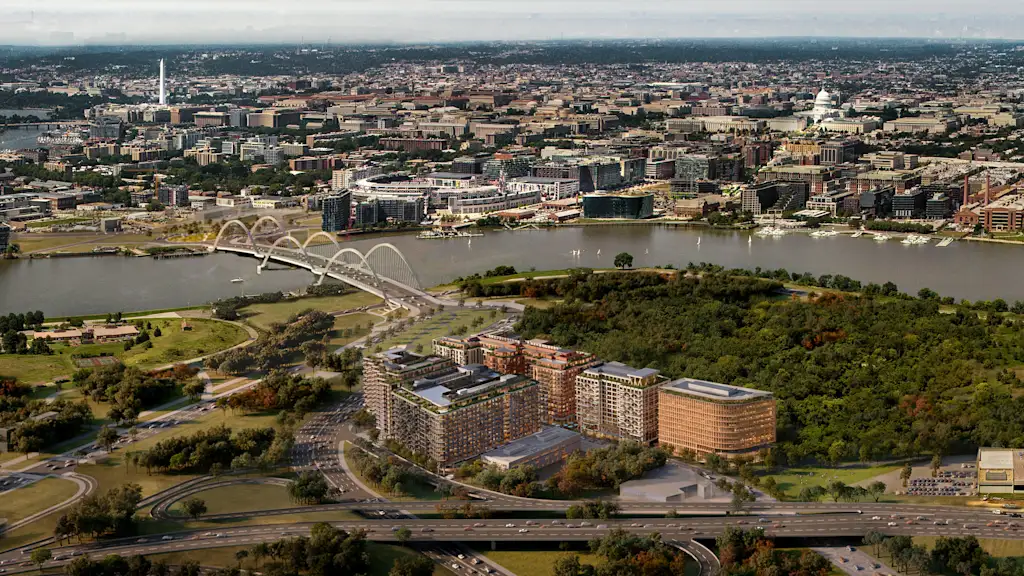
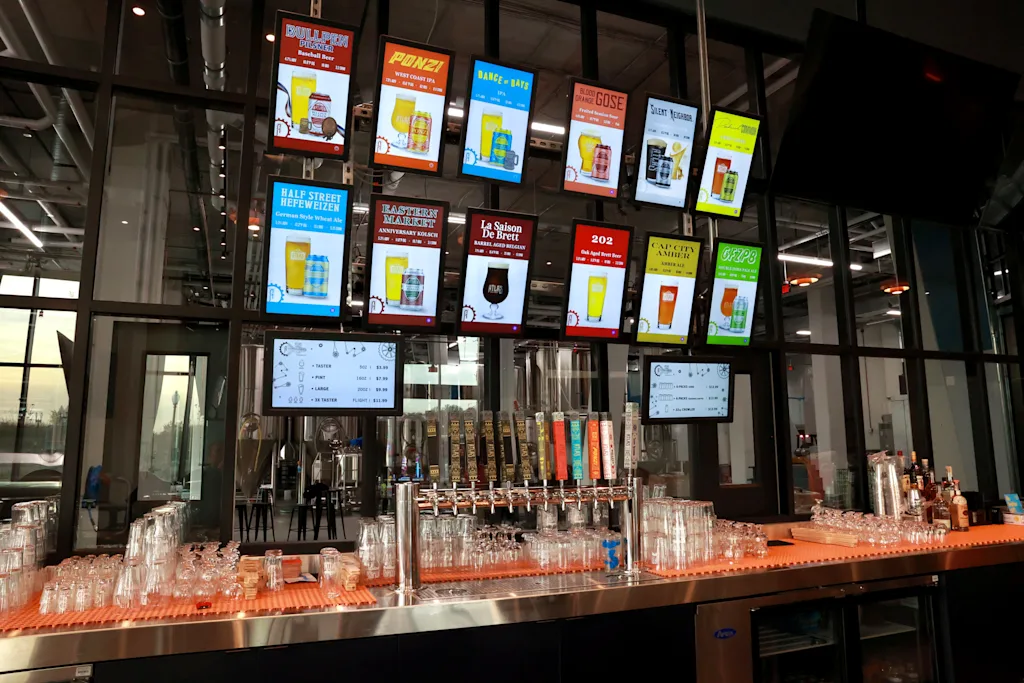
Atlas Brew Works, a solar-powered brewery that serves craft beers, moved into the building in November. At most breweries, the heat that’s generated from the brewing process would be vented outside. But in the new building, any hot water that the brewery doesn’t reuse is sent into a heat exchanger, which transfers heat to the hot water loop for the apartments. (The water itself never mixes; tenants are not showering in brewery water.)
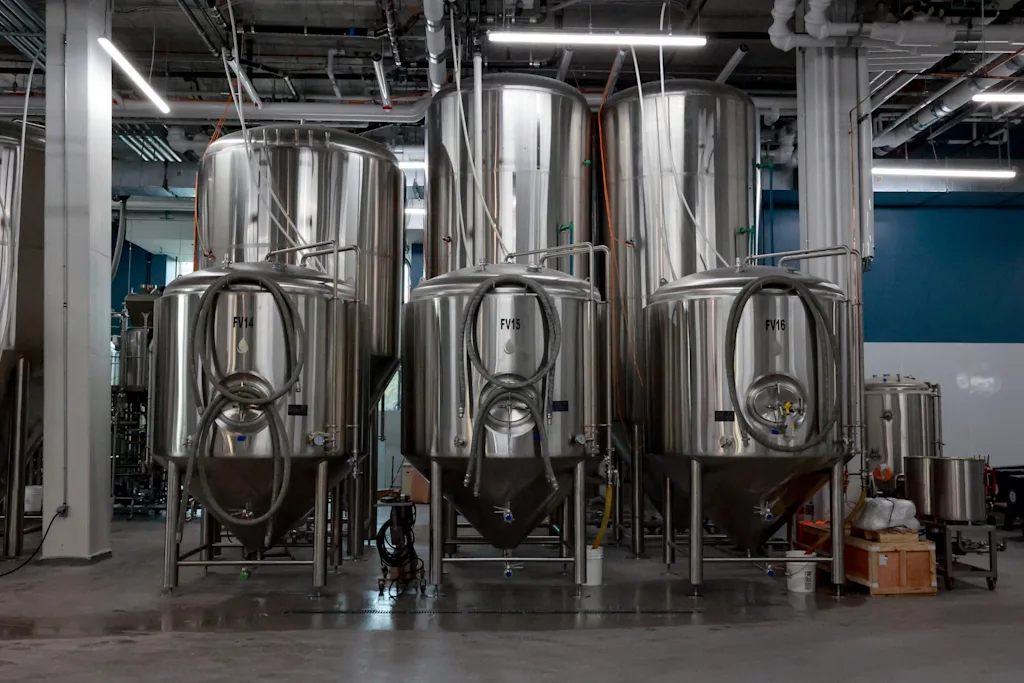
“They’re still ramping up, but they’re starting to make a lot of beer,” says William Passmore, managing partner at Redbrick LMD, the developer behind the project. “So we’re using as much of that heat as possible. We’re literally transferring the heat to support domestic hot water for all of the units throughout the building.”
When the brewery is operating at full capacity and the complex’s 757 apartments are fully occupied, around 60% to 70% of the heat for the apartments’ hot water can come from the brewery. The complex is also designed to be able to harvest heat from other businesses. A small grocery store that will soon open can share waste heat from its refrigerators, for example.
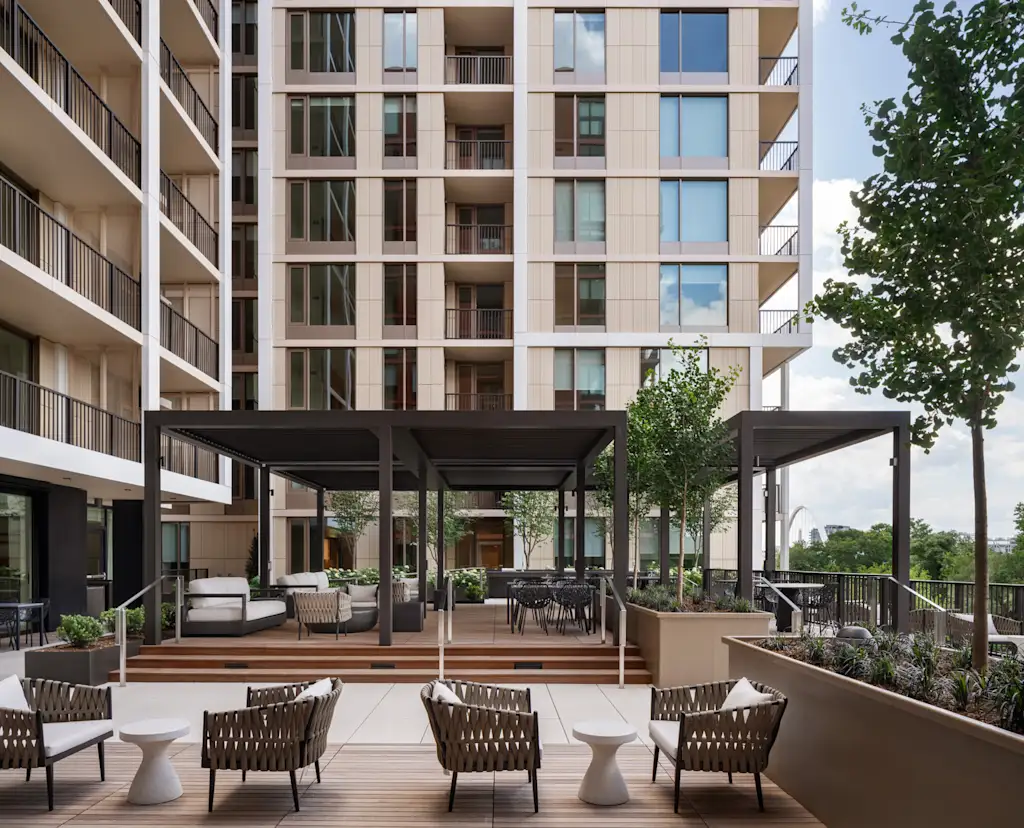
All of this means that residents can save money on energy bills, and the buildings have a lower carbon footprint. The heat exchange system is one piece of a larger sustainability strategy for the development, which is on track to become the largest net-zero carbon residential project in the U.S.
The development is next to a metro station and a riverside bike trail, so residents can drive less. The all-electric buildings feature a solar array on each rooftop—expected to generate 228 megawatt-hours of electricity each year—with renewable power purchased to cover additional energy needs. The developers carefully tracked the carbon footprint of construction, measuring the embodied carbon of every piece of material and even how individual construction workers commuted to the site.
They used materials like low-carbon steel and produced 40 different concrete mixes, carefully tailoring the amount of cement for each part of the building, which cut the overall carbon footprint of that material by 35%. In the next phase of the development, another new building will use mass timber construction.
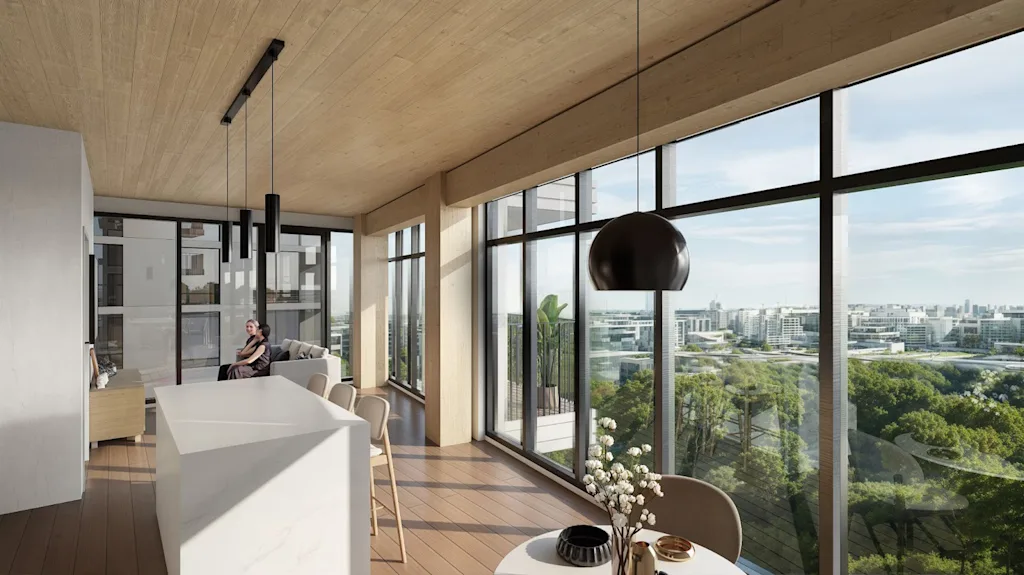
Even though some parts of the process didn’t necessarily cost much more from an engineering perspective, it took a commitment to make it happen. “You need to have the mindset and the staff and the willingness to invest in it as an organization,” Passmore says. Developers typically wouldn’t go this far. “It’s one of those things that doesn’t sound that difficult. [But as] you start to go and try and do it, [they’re thinking], ‘Oh, you know what? Let’s put this off for the next project,’” he says.
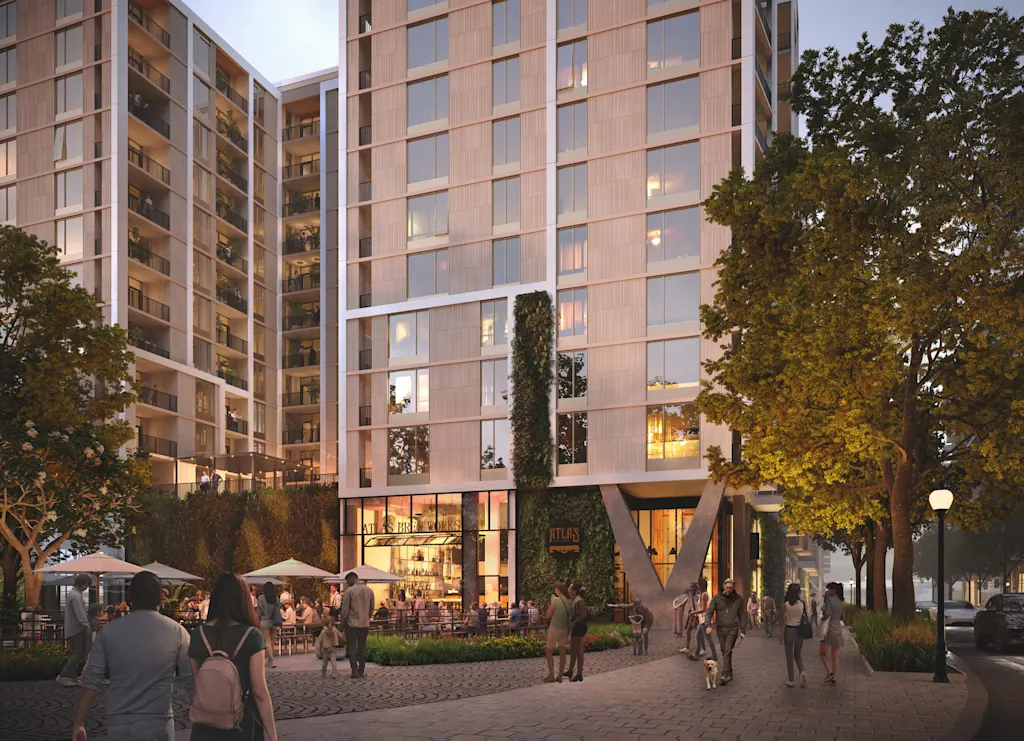
The developer’s theory: The work is worth it—not just for the environmental benefit, but because tenants are looking for more sustainable options. In surveys, the companies found that the renters they were targeting in their 20s and 30s wanted options like this.
“It differentiates our product, so it helps us with lease-up,” Passmore says. “We hope it will help down the road—residents will appreciate it and enjoy the lower utility bills. And perhaps they’ll stay a little longer, so that will help us again.”
Discover more from The Veteran-Owned Business Blog
Subscribe to get the latest posts sent to your email.

You must be logged in to post a comment.