If a single type of building could define our present time, it would undoubtedly be the data center. Underpinning the increasingly online way we work, shop, and entertain ourselves, data centers provide the computing power and storage to handle all the Zoom calls, Amazon purchases, and Netflix streams a person can cram into their day. And now as compute-hungry artificial intelligence dominates the future of nearly every sector of the economy—and possibly society as a whole—the data center will become even more ubiquitous.
A headlong data center building boom is already underway. One report finds that average monthly spending on data centers has increased 400% in the last two years, adding up to more than $50 billion in 2025 alone. One tally contends that there were more than 1,200 data centers either built or approved for construction in the U.S. by the end of 2024; another suggests the total number of data centers in the U.S. is now more than 4,100.
The scale and spread of data center building is staggering, and there seems to be no end in sight. All of this is why it’s so disappointing that the design of data center architecture is, by and large, very, very boring.
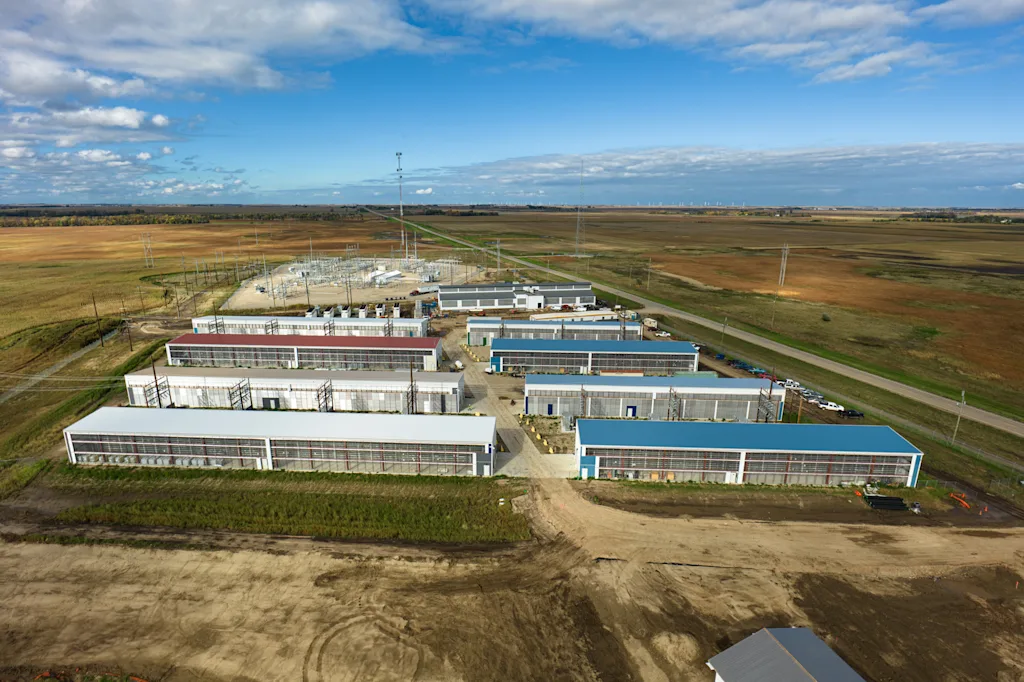
The typical data center looks something like this: a cluster of large, rectangular warehouses 15 or 20 feet tall, each covering about the area of a professional soccer field. The building’s walls are usually made from tilt-up concrete panels with little adornment. There are few windows, and if there were more they would look out on large outdoor clusters of equipment for cooling equipment, electricity generation, and wastewater treatment.
Increasingly, the entire complex is surrounded by security fencing or even opaque walls. For anyone passing by or living in their vicinity, there may be little to see beyond the data center’s unending nighttime glow. For what could be considered the most important buildings of the decade, this is a decidedly dull aesthetic. It is the architecture of value engineering and the minimum viable product.
The companies behind these facilities would argue that data centers are more like utilities or infrastructure and therefore don’t need the kind of design a more public-facing building would. But even when these data centers are not located near large communities—though many actually are—how they look can send a powerful message about their owners’ sense of responsibility for their many downsides.
A missed opportunity
By now, the negative externalities of big data centers are well known. From their excessive energy use to their inflationary impacts on local electricity rates to their deep thirst for water to the sheer size of their sprawling campuses, the costs of the data center building boom can feel excessively high, especially in the face of hallucinating chatbots, disinformation campaigns, and unavoidable AI slop.
In this light, the warehouse design approach of most data centers is the architectural equivalent of burying one’s head in the sand, a supermax prison tucked out in the boondocks, far from any discourse over mass incarceration or human rights. The boring design of data centers is a missed opportunity to counter their negative externalities with at least a little upside.
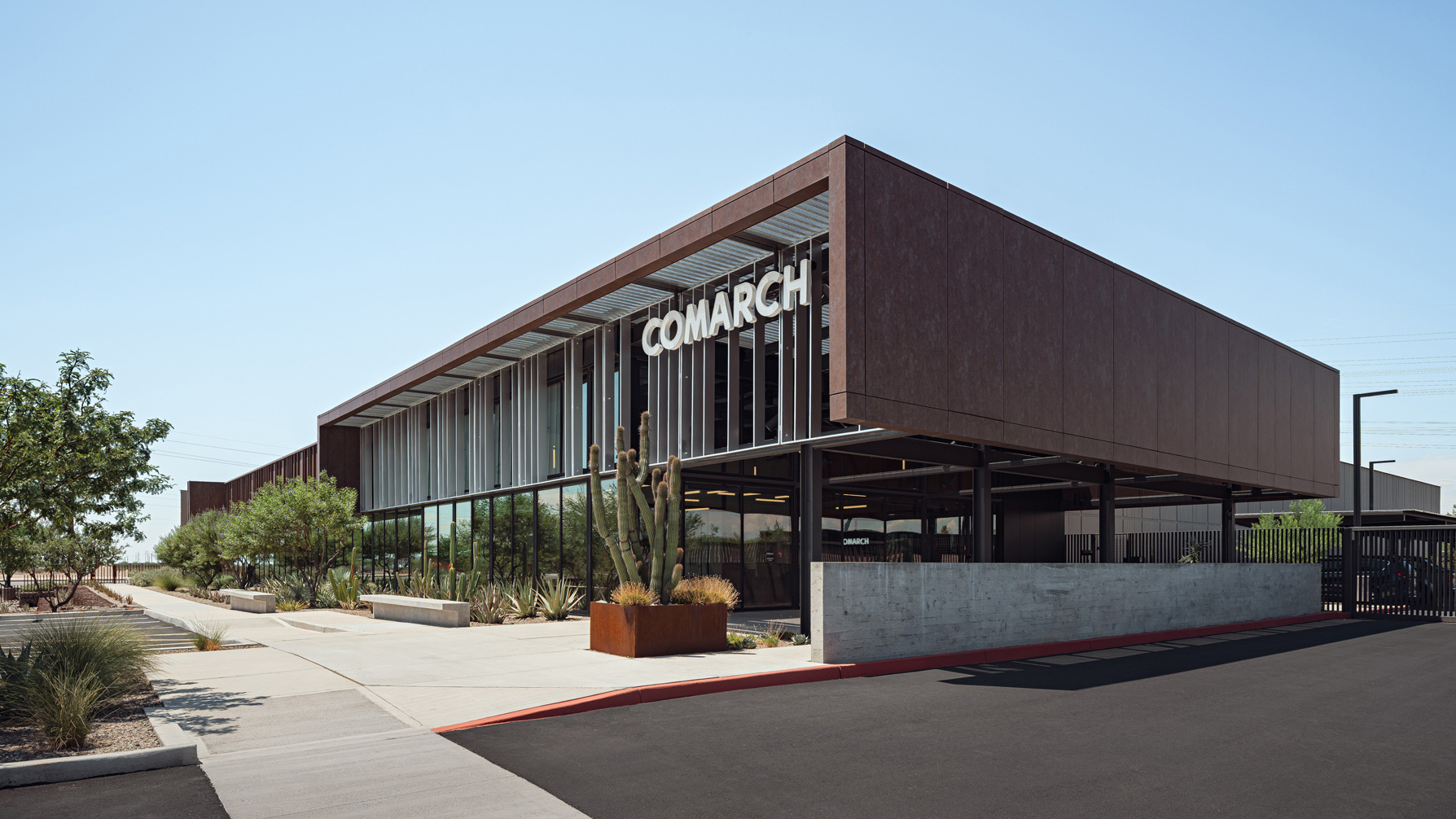
There are some data centers that are offering glimpses of what a better design could be. Some data companies and spec builders are turning to large and renowned architecture firms to add an extra layer of design to what can be fairly cookie cutter buildings meant primarily to house computers. Some designs are emphasizing natural light and natural materials in their small but important human-centric office and entry spaces.
Others are prioritizing new building materials and server cooling equipment that lowers both the embedded and operational carbon impacts of the facilities. Still others are blending themselves into dense urban locations, bringing smaller scale data centers closer to specific types of users. Some look like modern office complexes. If they weren’t so big, some even look like they could hold a high end restaurant or retailer.
But for every data center trying to soften its blow on society, there are dozens, if not hundreds, that are spreading as much computing power over as large an area possible that can draw in the enough resources to get the servers up and whirring as soon as possible. This looks to be the predominant developmental strategy. Design is largely an afterthought.
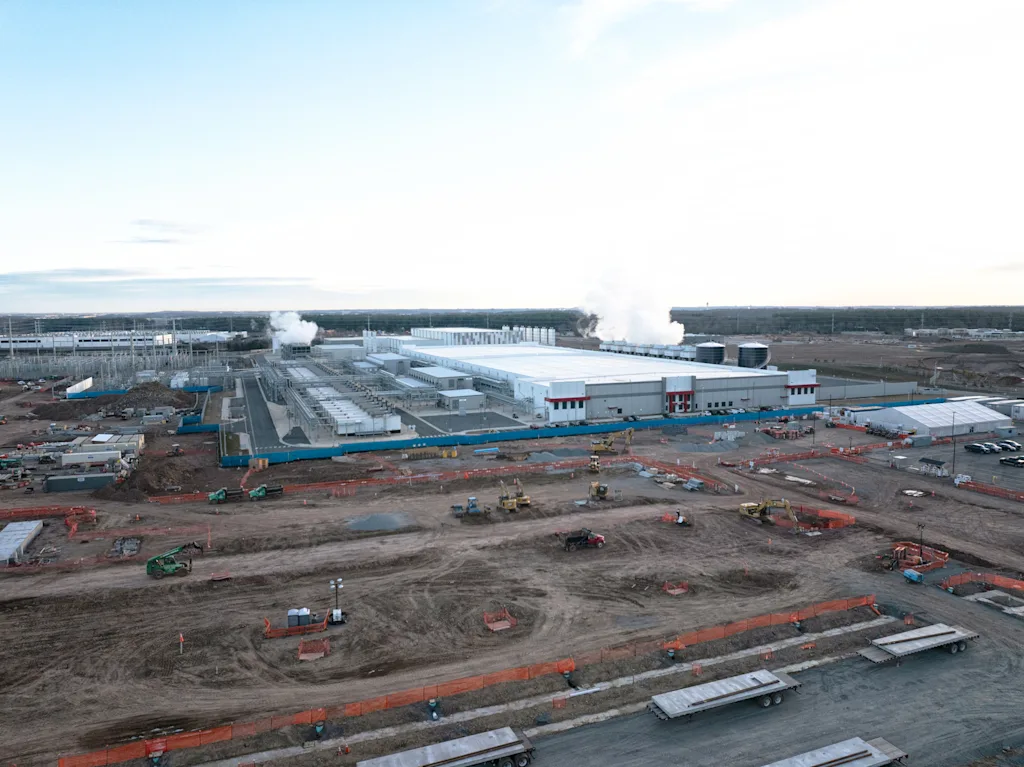
AI companies and other so-called hyperscalers are scrambling for suitable building sites near electricity generation and transmission lines, making it likely that data centers will edge closer and closer to preexisting communities. This proximity will increase the need for more sensitive design approaches. Some better design is happening now. As the building boom carries on, much more will be needed.
The companies behind the AI race have been unambiguous about AI’s potential to dramatically reshape society. If that’s true (the jury is still very much out), perhaps those companies could spend a bit more effort signaling AI’s importance by making its vast and growing physical footprint less of a total bore.
Discover more from The Veteran-Owned Business Blog
Subscribe to get the latest posts sent to your email.

You must be logged in to post a comment.