If you grew up pre-Y2K, chances are you’re familiar with the concept of a lava lamp. It’s much less likely that you’ve ever encountered a lamp made out of literal lava.
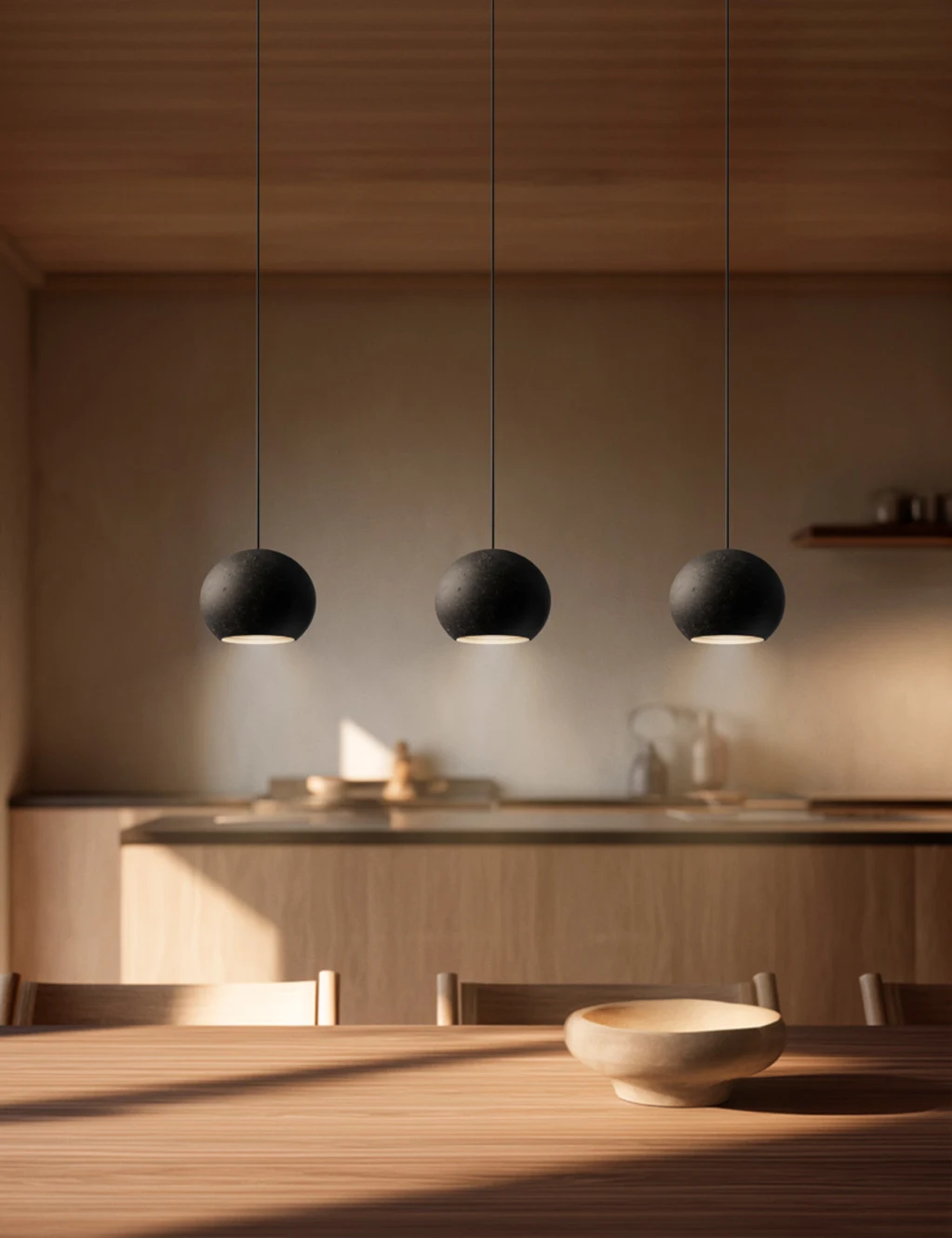
That’s the basic description of a series of three lamps made by the luxury Italian lighting company Foscarini. The company’s new Alicudi, Filicudi, and Panarea lamps, designed by Italian father-and-son design team Alberto and Francesco Meda, are formed from actual lava rock sourced from Mount Vesuvius. To own a piece of Italy’s iconic volcano, you’ll have to fork over $866 for any one of the lamp models.
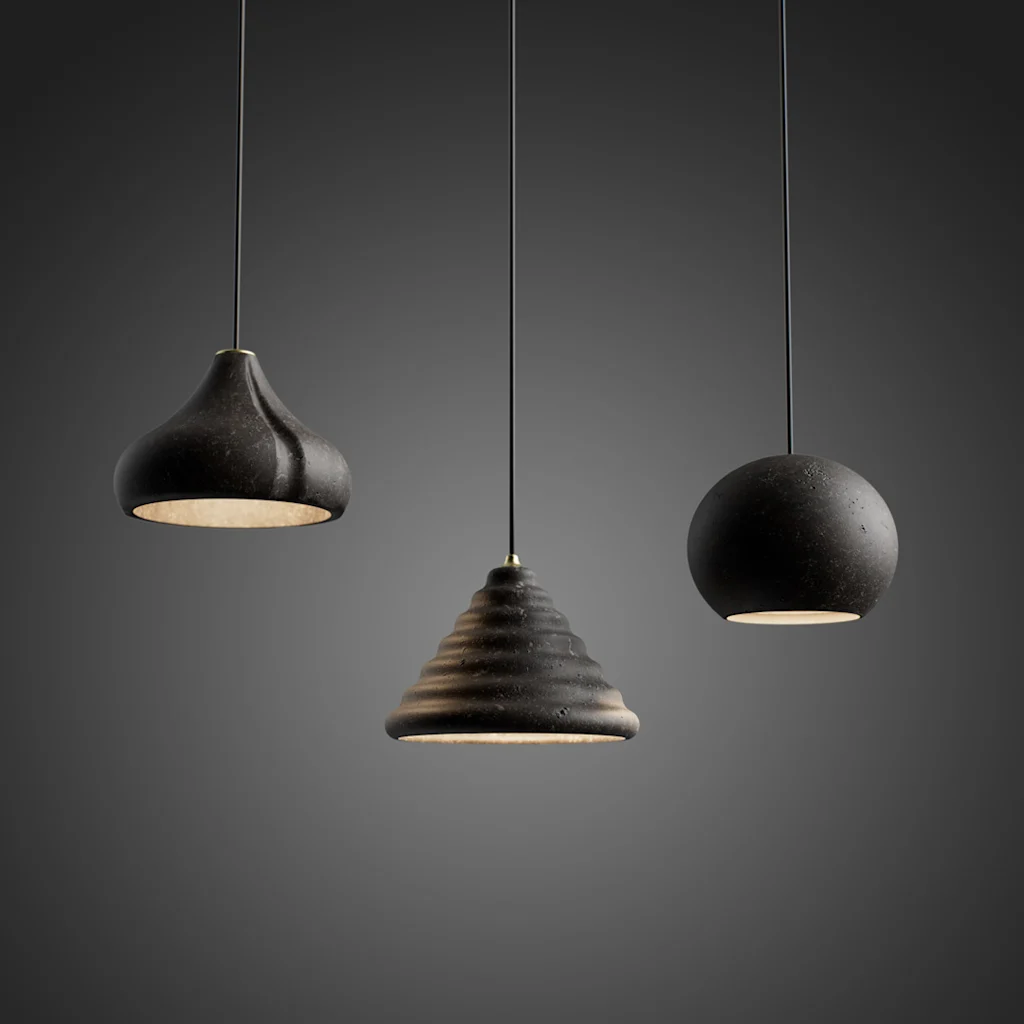
The real lava lamp may be pricier than its ‘70s predecessor, but that’s thanks to the labor-intensive process that goes into recycling the actual lava into a workable material—and converting it into an object you’d actually want to hang in your dining room.
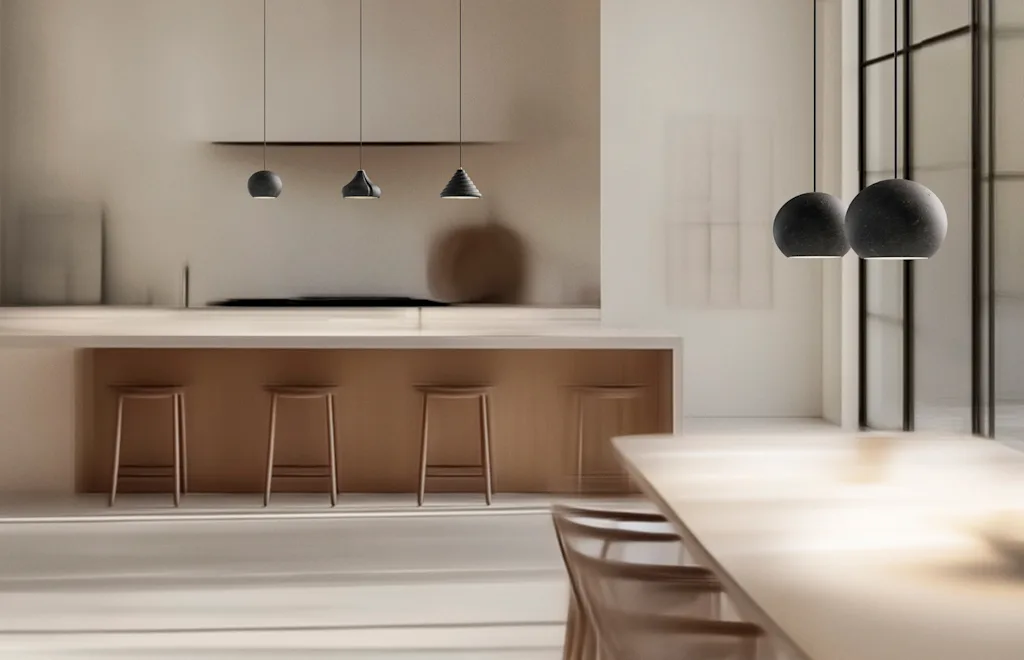
How an Italian design company made lamps from literal lava
When Alberto and Francesco began brainstorming for the collaboration with Foscarini, they wanted to experiment with a material that would be entirely new in the lighting world. Francesco is already the co-art director of the company Ranieri, which works exclusively with lava stone to create bespoke tiles, tables, and stools—making lava stone a natural fit for this new project.
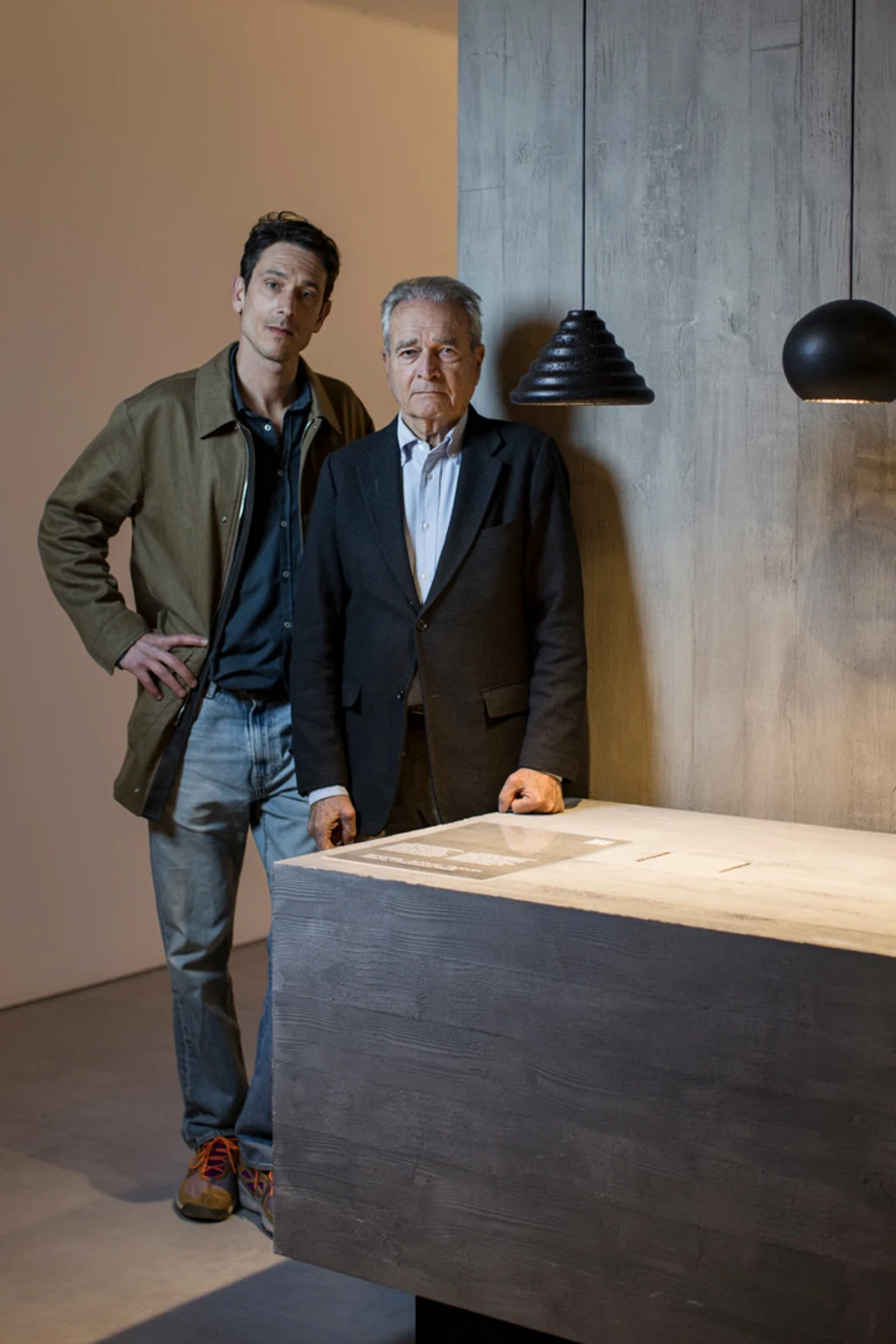
“Unlike marble, lava is not quarried: it is gathered directly from the mountain,” Francesco said in a press release. “After an eruption the magma settles, becoming part of the terrain and forming blocks of lavic stone that can be crafted. The cutting process generates a large quantity of surplus chips, which we wanted to salvage.”
The Alicudi, Filicudi, and Panarea lamps use recycled lava chips, provided by Ranieri and left over from its other projects, as the main material composing their shades. To convert them into lamps, the scrap chips are crushed into a powder with varying grain sizes; mixed with a binder to produce a paste; poured into molds; and finished by hand to create a unique surface on every piece.
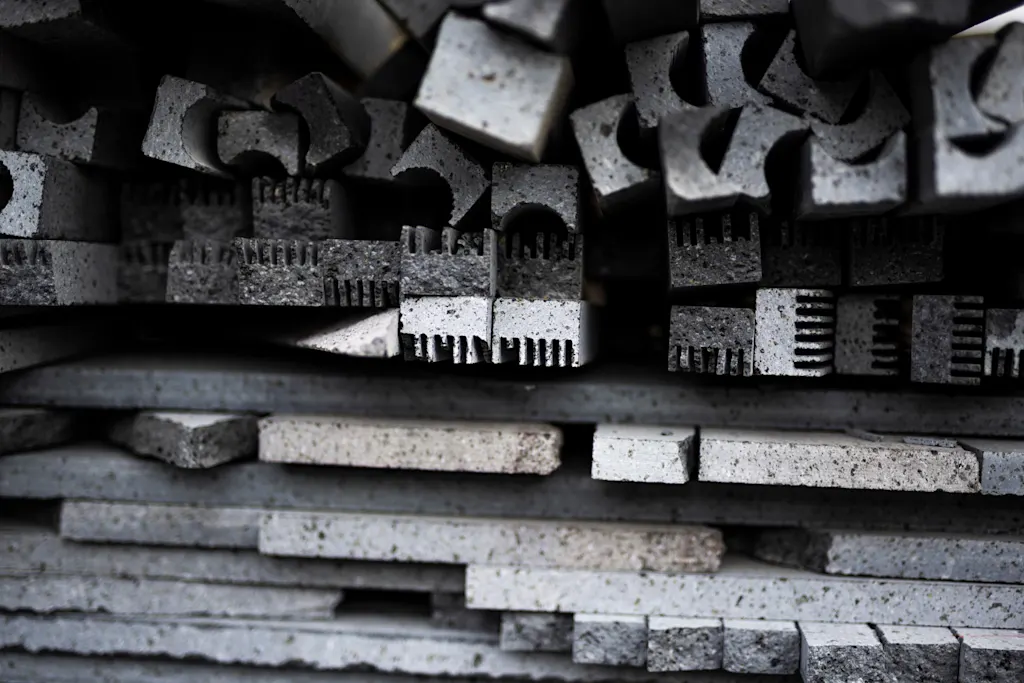
According to the team, this poured-lava composite is lighter than solid lava, allowing it to form thinner shapes while still maintaining its durability. As an added bonus, natural lava has a rugged surface full of pores and craters—similar to a moon or planetscape. It might not be gooey, glowing lava, but it has its own atmospheric charm.
source https://www.fastcompany.com/91458879/foscarini-literal-lava-lamp
Discover more from The Veteran-Owned Business Blog
Subscribe to get the latest posts sent to your email.

You must be logged in to post a comment.